


When a tooth becomes infected or severely damaged, you may face an important question — should you save it with root canal therapy or remove it through extraction?
At Wake Cross Family Dentistry in Raleigh, NC, Dr. Shilpa Koneru and Erica believe that understanding both treatments helps you make a calm, confident decision about your oral health. Let’s explore what each option means and which might be better for you.
For expert advice or to schedule a consultation, call us today at (919)-453-0777.
What Is Root Canal Therapy?
A root canal is a dental procedure that allows you to save your natural tooth by removing infected or damaged pulp from inside it. Once the area is cleaned and sealed, a crown or filling is placed on top to protect the tooth.
Root canal therapy is performed under local anesthesia, meaning you won’t feel pain during the procedure. In most cases, patients describe the experience as similar to getting a deep filling.
Benefits of root canal therapy include:
- Preserving your natural tooth
- Preventing bone loss in the jaw
- Maintaining proper bite alignment
- Avoiding the need for tooth replacement
- Quick recovery and long-term success with proper care
Modern techniques make root canals comfortable, effective, and safe for both adults and teens.
What Is a Tooth Extraction?
A tooth extraction involves removing a tooth completely from its socket. It’s often recommended when a tooth is too damaged or decayed to be repaired, or when keeping it could cause further infection.
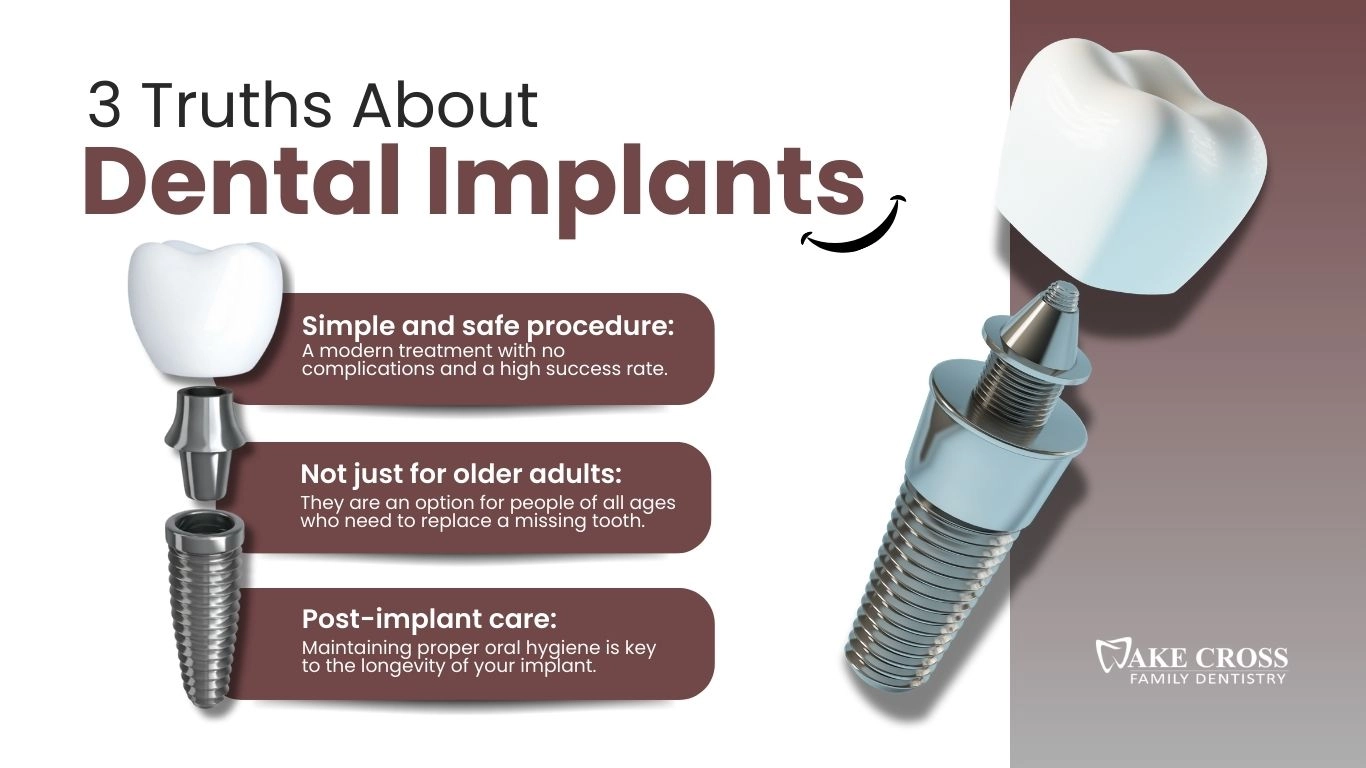
Extractions are done under anesthesia, so you remain comfortable throughout. Depending on the case, your dentist may recommend replacing the missing tooth with an implant, bridge, or denture to prevent shifting of nearby teeth and bone loss.
Reasons for extraction include:
- Extensive decay or infection beyond repair
- Severe fractures extending below the gum line
- Overcrowded teeth before orthodontic treatment
- Impacted or problematic wisdom teeth
Although it removes the source of pain quickly, an extraction requires long-term planning to maintain the balance and function of your smile.
Root Canal vs Tooth Extraction: Key Differences
When deciding between a root canal and an extraction, consider these factors:
- Pain and comfort: Root canals relieve pain by removing infection, and recovery is generally mild. Extractions can cause short-term discomfort and swelling but heal within one to two weeks.
- Cost: A root canal may cost more initially, but you avoid the expense of tooth replacement later. An extraction may seem cheaper upfront, but replacing the missing tooth adds to the total cost.
- Function and aesthetics: Root canal therapy keeps your natural tooth, maintaining your smile and chewing ability. Extraction creates a gap that can affect your bite unless replaced.
- Longevity: A successfully treated root canal tooth can last decades. Replacement options after extraction may require future maintenance.
At Wake Cross Family Dentistry, we always try to save your natural tooth first, but if extraction is the safest choice, we’ll guide you through comfortable replacement solutions.
How to Choose the Best Option
Your dentist will evaluate several factors, including:
- The extent of infection or damage
- Bone health and gum condition
- Tooth structure and position
- Your overall oral and general health
If the tooth can be restored, root canal therapy is often the best choice. However, if the tooth is too weak or the infection has spread beyond control, an extraction may be necessary. Either way, Dr. Shilpa Koneru and Erica will ensure your comfort and provide honest guidance for lasting oral health.
Aftercare and Recovery
After a root canal, mild tenderness or sensitivity may last a few days and can be managed with over-the-counter medication. Avoid chewing on the treated tooth until your permanent crown is placed.
After a tooth extraction, you may experience swelling or soreness for a few days. Stick to soft foods, avoid smoking or using straws, and follow your dentist’s care instructions to promote healing.
Our team provides detailed aftercare guidance to make recovery easy and stress-free.
Don’t Delay Treatment
Tooth pain or infection will not go away on its own. Ignoring it may lead to more serious dental issues or even tooth loss.
At Wake Cross Family Dentistry in Raleigh, NC, our goal is to provide gentle, compassionate care that restores your comfort and confidence.
Call us at (919)-453-0777 to book your appointment with Dr. Shilpa Koneru or Erica, and let’s protect your smile together.
Both root canal therapy and tooth extraction are effective ways to address dental infections or damage. The right choice depends on your tooth’s condition and your long-term goals. Saving your natural tooth is almost always the healthiest and most cost-effective solution when possible — and our caring team will help you make that choice with confidence.
FAQs
- Does a root canal hurt more than an extraction? No. Both procedures are performed with local anesthesia to keep you comfortable. A root canal actually relieves pain caused by infection, while extractions may cause mild soreness during recovery.
- How long does recovery take after a root canal? Most patients feel back to normal within 24 to 48 hours. You may feel slight sensitivity for a few days, which is easily managed with mild pain relievers.
- Is a root canal worth it for a severely damaged tooth? If the tooth’s structure can still support a crown, a root canal is often the best way to save it. Your dentist will take X-rays and evaluate if it’s strong enough to restore.
- What happens if I don’t replace an extracted tooth? Leaving a gap can cause neighboring teeth to shift, bite problems, and bone loss in the jaw. That’s why replacement options like implants or bridges are recommended soon after extraction.
- How do I know which option is best for me? The best way is to schedule an exam and X-ray with your dentist. At Wake Cross Family Dentistry, we’ll evaluate your tooth and explain all options so you can make the most informed and comfortable decision.