

Embarking on the journey to find the ideal oral health partner for your entire household can often feel overwhelming, but entering the phrase family dental care near me into a search engine is the crucial first step toward long-term generational wellness. The concept of family dentistry extends far beyond mere convenience; it represents a comprehensive, integrated approach to dental health that accommodates the shifting anatomical, biological, and psychological needs of patients as they grow from infancy through their senior years. Establishing a permanent dental home provides an anchor for your family’s health, ensuring that every preventive measure, restorative procedure, and aesthetic enhancement is tracked systematically over decades. This deep continuity of care allows practitioners to identify genetic predispositions to certain dental conditions, recognize early developmental anomalies, and foster an environment of profound trust that eliminates the anxiety often associated with medical environments. Through this extensive guide, we will explore the intricate layers of generational dentistry, the scientific and psychological benefits of unified care, and how to evaluate local practices to ensure you are receiving the highest standard of clinical excellence.
Understanding the Importance of Family Dental Care Near Me
When you begin evaluating options for family dental care near me, it is essential to understand the philosophical and clinical distinctions that separate this specialized approach from isolated general dentistry practices. A family-oriented practice is fundamentally designed to be a deeply versatile environment, equipped with the technology, specialized training, and interpersonal skills required to manage the wildly varying needs of a diverse age demographic. Rather than treating oral health as a series of isolated biological events, a family practitioner views the mouth as a dynamic ecosystem that changes predictably over time. This holistic perspective is incredibly valuable because it allows the dental team to anticipate future needs based on familial patterns. If a parent presents with a specific type of malocclusion, a high susceptibility to periodontal disease, or a structurally narrow dental arch, the attending dentist can proactively monitor the children for early signs of these exact same conditions. Early intervention is the cornerstone of modern medicine, and by utilizing a centralized family clinic, you empower your healthcare provider with the complete genetic and behavioral context needed to provide truly personalized, preventative care.
The Core Philosophy of Comprehensive Generational Dentistry
The core philosophy driving generational dentistry is the belief that education and prevention are infinitely more effective than reactive treatments. The structural integrity of our teeth and the health of our supportive periodontal tissues are influenced heavily by daily habits, dietary choices, and customized hygiene protocols. A dedicated family practice operates on the principle that these habits are cultivated within the home environment, making it absolutely vital to educate the entire family unit simultaneously. When parents and children receive consistent, unified messaging regarding the importance of interdental cleaning, the dangers of frequent acidic exposures, and the mechanics of proper brushing techniques, compliance increases dramatically. Furthermore, this comprehensive model allows for seamless transitions between life stages. A teenager requiring an orthodontic evaluation does not need a referral to an entirely new, unfamiliar environment if their primary provider is already equipped to handle the preliminary diagnostics and comprehensive treatment planning. This seamless continuity minimizes logistical burdens on parents while maintaining a meticulously organized, single-source medical record that tracks every radiograph, diagnostic model, and clinical note from the emergence of the first primary tooth to the potential need for prosthetic restorations later in life.
Psychological Advantages of a Unified Dental Home
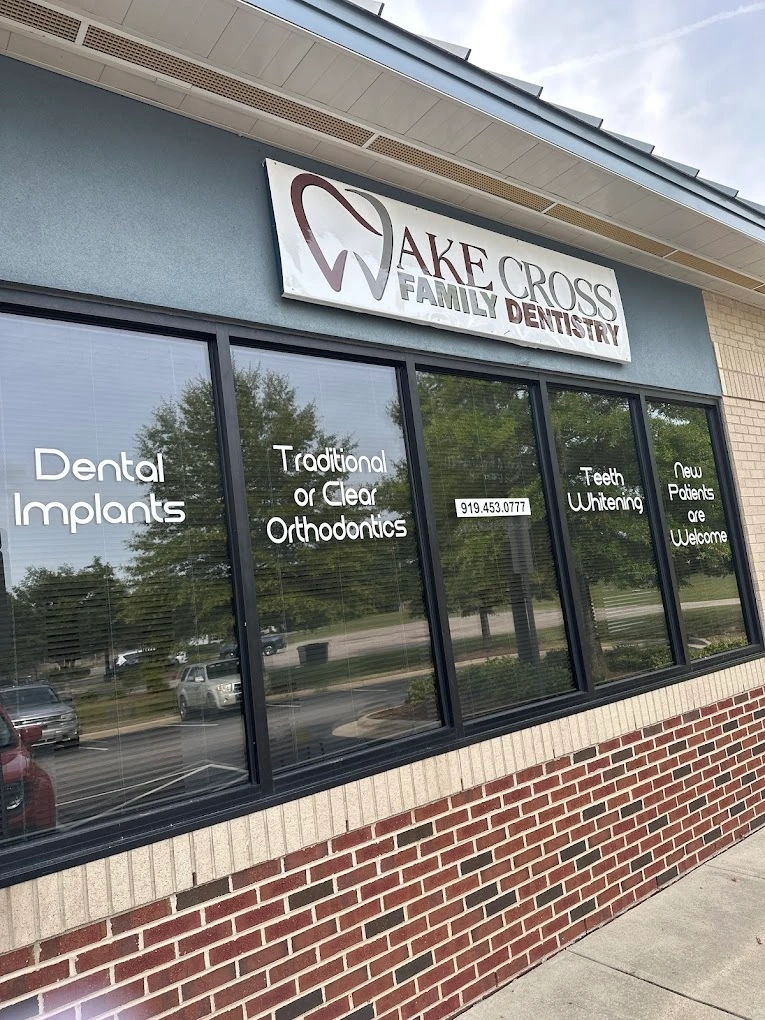
The psychological landscape of dental care is just as critical as the clinical execution of procedures, and this is an area where unified family practices truly excel. Dental phobia is a well-documented phenomenon that prevents millions of individuals from seeking necessary preventative care, leading to severe systemic health consequences over time. Often, this anxiety is inadvertently passed down from parents to children through subtle behavioral cues or recounted negative experiences. By attending a unified dental home, families actively dismantle this cycle of fear. When a child accompanies their parent to a routine prophylaxis appointment and observes a relaxed, positive interaction between the parent and the clinical staff, it sets a powerful psychological baseline. The clinical environment becomes normalized, transforming the clinic from a place of apprehension into a familiar, safe space. Practices that prioritize this psychological safety, such as Wake Cross Family Dentistry – Raleigh, understand that building a foundation of compassionate, transparent communication with the youngest patients directly dictates their relationship with healthcare providers for the rest of their lives. A positive introduction to dentistry fosters lifelong compliance, ensuring that preventative care is viewed as a routine aspect of self-care rather than a daunting obligation.
Navigating Pediatric Dental Milestones
The pediatric phase of dental care is arguably the most formative period in a patient’s life, demanding an intricate understanding of developmental biology, interceptive orthodontics, and behavioral management. The eruption of primary teeth, commonly known as baby teeth, initiates a complex cascade of physiological events that set the stage for permanent dentition. Many parents operate under the misconception that primary teeth are somewhat disposable since they will eventually exfoliate naturally; however, these teeth serve absolutely critical functions in the developing child. Primary teeth act as essential space maintainers, guiding the precise eruption pathway for the permanent teeth developing within the alveolar bone. Premature loss of primary teeth due to severe decay or trauma can lead to profound space loss as adjacent teeth drift into the empty void, practically guaranteeing the need for complex, expensive orthodontic interventions later in adolescence. Additionally, healthy primary dentition is required for proper speech articulation, efficient mastication and nutrition, and the development of self-esteem as children navigate their early social environments.
The Crucial First Dental Visit and Early Preventative Care
The American Dental Association and leading pediatric specialists universally recommend that a child’s first dental visit should occur within six months of the eruption of their first tooth, or no later than their first birthday. This initial appointment is rarely about complex clinical procedures; rather, it is a foundational educational session designed to acclimate the infant to the clinical setting and provide the parents with a comprehensive risk assessment. During this visit, the practitioner evaluates the oral tissues, assesses the child’s fluoride exposure, and discusses dietary habits that contribute to early childhood caries. Preventative interventions become increasingly sophisticated as the child grows. The application of topical fluoride varnishes remineralizes developing enamel, making it substantially more resistant to the acidic byproducts of bacterial metabolism. Furthermore, as the permanent molars begin to erupt around age six, the placement of dental sealants becomes a highly recommended protocol. Sealants are flowable resin materials meticulously painted onto the deep, retentive grooves and fissures of the occlusal chewing surfaces. These microscopic crevices are often narrower than a single toothbrush bristle, making them impossible to clean effectively and highly susceptible to decay. By sealing these vulnerable areas, a family dentist can dramatically reduce the incidence of childhood cavities.
Guiding Children Through Orthodontic Evaluations
As children transition into mixed dentition, where both primary and permanent teeth are present simultaneously, the focus broadens to include skeletal growth and occlusal alignment. A comprehensive family dentist continually evaluates the relationship between the maxilla and the mandible, assessing for crossbites, severe overjets, deep overbites, and harmful oral habits such as prolonged thumb sucking or tongue thrusting. Interceptive orthodontics, often initiated between the ages of seven and nine, utilizes specialized appliances to modify bone growth while the skeletal sutures are still pliable. By expanding a narrow palate or correcting an anterior crossbite early, the practitioner can mitigate severe functional issues, improve airway dynamics, and significantly simplify or even eliminate the need for traditional comprehensive braces in the teenage years. This proactive monitoring is a hallmark of excellent generational dentistry, ensuring that functional and aesthetic concerns are addressed at the optimal biological moment rather than waiting until skeletal maturity restricts the available treatment options.
Adult Preventative and Restorative Dentistry
The focus of adult dentistry shifts from guiding developmental growth to preserving the existing biological structures against the cumulative wear and tear of daily life. The oral cavity is a harsh environment, subjected to constant temperature fluctuations, immense masticatory forces, and a continuous onslaught of dietary acids and bacterial biofilms. Adult preventative care relies heavily on meticulous routine examinations, professional prophylaxis to remove hardened calculus deposits that cannot be brushed away at home, and the early detection of microscopic structural failures. The advent of highly aesthetic, biomimetic restorative materials has completely revolutionized how we approach tooth repair. Gone are the days when repairing a cavity meant excavating large portions of healthy tooth structure to mechanically lock in a silver amalgam filling. Modern composite resins chemically bond to the underlying dentin and enamel, allowing for incredibly conservative preparations that preserve the maximum amount of natural tooth. These materials mimic the light-refracting properties of natural enamel so perfectly that restorations become virtually indistinguishable from the surrounding biological tissue.
Periodontal Health and the Systemic Connection
Perhaps the most critical aspect of adult oral health is the management and preservation of the periodontium, which encompasses the gingival tissues, the periodontal ligament, and the supporting alveolar bone. Periodontal disease is a chronic, progressive inflammatory condition initiated by an imbalance in the oral microbiome. When plaque biofilm is allowed to mature and calcify beneath the gum line, it triggers a profound immune response. The body’s inflammatory mediators, in an attempt to combat the bacterial invasion, inadvertently begin destroying the very bone and connective tissue that hold the teeth securely in place. If left untreated, this progressive bone loss leads to tooth mobility and eventually complete tooth loss. However, the implications of periodontal disease extend far beyond the oral cavity. Extensive clinical research has firmly established a bidirectional relationship between periodontal inflammation and severe systemic conditions, including cardiovascular disease, poorly controlled diabetes, adverse pregnancy outcomes, and respiratory infections. The bacteria responsible for severe gum disease can enter the systemic bloodstream through ulcerated gingival tissues, contributing to systemic inflammatory burdens. A rigorous family dental practice places a massive emphasis on periodontal therapy, utilizing deep scaling and root planing techniques, localized antibiotic therapies, and meticulous home care instruction to arrest the disease process and protect both oral and systemic health.
Modern Solutions for Tooth Restoration and Cosmetic Enhancements
Beyond structural repairs and disease management, adult dentistry frequently encompasses cosmetic and advanced restorative solutions designed to rejuvenate an aging or damaged smile. The psychological impact of an aesthetically pleasing smile cannot be overstated; it influences professional confidence, social interactions, and overall self-image. Comprehensive practices offer a wide array of treatments to address aesthetic concerns. Professional vital tooth bleaching can safely eradicate decades of deeply embedded organic stains caused by coffee, tea, and tobacco, utilizing specialized peroxide formulations that penetrate the microscopic enamel prisms without compromising structural integrity. For teeth that present with severe discoloration, morphological abnormalities, or significant structural damage, porcelain veneers and full-coverage ceramic crowns provide exceptionally durable and lifelike solutions. These custom-fabricated restorations are designed to interact harmoniously with the surrounding soft tissues, restoring optimal form, function, and aesthetics. The ability to receive advanced cosmetic and reconstructive care within the same familiar environment where you receive your routine cleanings provides immense peace of mind and ensures that your aesthetic goals are aligned with your underlying functional health.
Specialized Care for Seniors and Aging Smiles
As patients enter their senior years, the physiological landscape of the oral cavity undergoes significant transformations, requiring a deeply empathetic and highly specialized approach from their dental care team. The cumulative effects of a lifetime of chewing, previous dental restorations, and systemic health changes create a unique set of challenges. One of the primary concerns in geriatric dentistry is the increased susceptibility to root caries. Over time, gingival tissues often recede, exposing the vulnerable root surfaces of the teeth. Unlike the resilient enamel that covers the anatomical crown, the root is composed of dentin and cementum, which are substantially softer and demineralize at a much faster rate when exposed to acids. This rapid decay process requires vigilant monitoring, the frequent application of concentrated fluoride treatments, and the use of specialized glass ionomer restorative materials that actively release fluoride into the surrounding tooth structure to inhibit further demineralization.
Managing Xerostomia and Medication Induced Dental Issues
A profound challenge affecting the senior demographic is the widespread prevalence of xerostomia, commonly known as chronic dry mouth. This condition is rarely a natural consequence of aging itself, but rather a ubiquitous side effect of polypharmacy. Hundreds of common prescription medications, including antihypertensives, antidepressants, antihistamines, and diuretics, significantly inhibit the function of the major and minor salivary glands. Saliva is the mouth’s primary defense mechanism; it physically washes away food debris, provides vital antibacterial enzymes, and crucially, acts as a sophisticated buffering agent that neutralizes the destructive acids produced by plaque bacteria. When salivary flow is severely diminished, the oral environment becomes highly acidic, leading to rampant decay, fungal infections such as oral candidiasis, and severe difficulties with chewing and swallowing. A knowledgeable family practitioner deeply understands this pharmacological dynamic and works closely with senior patients to implement rigorous protective protocols. These protocols often include the prescription of artificial saliva substitutes, the recommendation of xylitol-based lozenges to stimulate natural salivary flow, and a heavily increased frequency of professional preventative maintenance visits to intercept decay before it causes catastrophic structural failure.
Advancements in Implantology and Prosthetics
Tooth loss, while not an inevitable part of aging, remains a significant concern for many senior patients. The loss of multiple teeth drastically impairs masticatory efficiency, restricting dietary choices and potentially leading to systemic nutritional deficiencies. Furthermore, the absence of natural tooth roots causes the surrounding alveolar bone to resorb and atrophy over time, altering the entire facial structure and leading to a prematurely aged appearance. Fortunately, modern restorative dentistry provides remarkable solutions to replace missing teeth and restore total functionality. While traditional removable partial and complete dentures remain viable options for many, the gold standard of care has firmly shifted toward dental implantology. Dental implants are biocompatible titanium posts surgically placed directly into the jawbone, serving as artificial tooth roots. Through a fascinating biological process called osseointegration, the living bone cells grow directly into the microscopic surface topography of the titanium implant, creating a foundation of immense strength and stability. These implants can be used to support single crowns, multi-unit bridges, or full-arch prostheses that are firmly anchored in place, completely eliminating the slipping, clicking, and discomfort historically associated with conventional dentures. The integration of implant services within a family dental practice ensures that aging patients can regain full confidence in their ability to speak, chew, and smile without the need to seek out external surgical specialists.
Overcoming Dental Anxiety as a Family Unit
Dental anxiety is a profound psychological barrier that spans all generations, presenting a complex challenge that a truly exceptional family dental practice must be exceptionally equipped to manage. Fear of the dentist rarely develops in a vacuum; it is often the result of traumatic past experiences, a profound fear of losing control, sensory overstimulation, or an inherent phobia of medical procedures. When a single provider manages the care for an entire family, they have a unique opportunity to identify and dismantle these anxieties methodically. This process begins with the physical environment of the clinic itself. Modern family practices are intentionally designed to alleviate stress, utilizing calming color palettes, noise-canceling architectural features, and ambient lighting to replace the stark, clinical aesthetic of the past. Beyond the physical environment, the communication style of the clinical team is paramount. The most successful practitioners prioritize radical transparency, ensuring that patients understand exactly what each procedure entails, why it is biologically necessary, and what sensory experiences they can expect during the process.
Behavioral Management Techniques in Modern Clinics
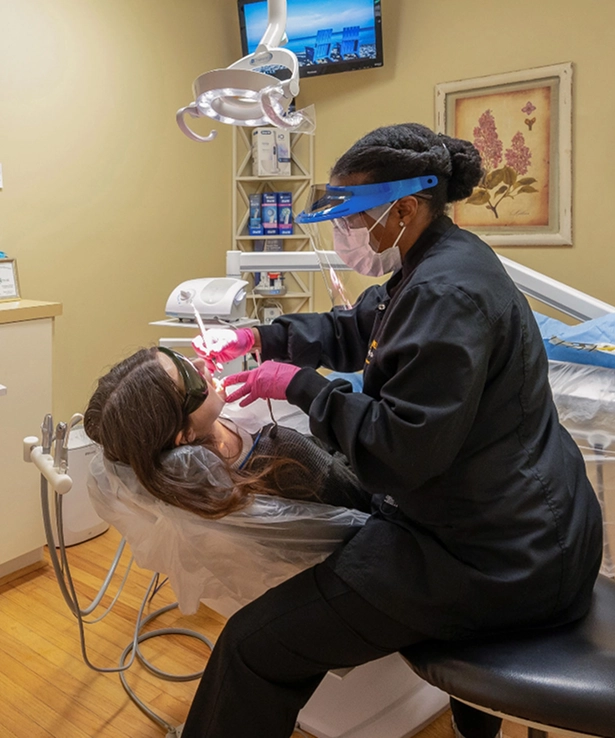
For children, managing anxiety involves highly specific behavioral techniques such as the Tell-Show-Do method. In this approach, the practitioner first explains the procedure in simple, non-threatening language, then demonstrates the procedure on a model or outside the mouth, and only then performs the action. This demystification builds incredible trust and prevents the child from being startled by unfamiliar sounds or sensations. Positive reinforcement, distraction utilizing overhead monitors or soothing music, and frequent breaks during longer procedures further ensure a cooperative and deeply positive experience. For adult patients experiencing severe clinical phobia, modern dentistry offers safe and highly effective pharmacological interventions. Nitrous oxide analgesia, commonly known as laughing gas, is an incredibly safe inhalational sedative that induces a profound sense of relaxation and euphoria while significantly raising the patient’s pain threshold. Its rapid onset and extremely quick elimination from the body make it an ideal solution for patients who need mild anxiolysis without the lingering grogginess of deeper sedation. By integrating these comprehensive anxiety management techniques, a family practice ensures that emotional well-being is treated with the exact same level of priority as physical oral health.
Evaluating Dental Technologies in Local Practices
As you refine your search for local family care, the technological infrastructure of the practice should be a major determining factor in your decision-making process. The field of dentistry is undergoing a massive digital renaissance, and clinics that invest heavily in advanced diagnostic and restorative technologies are uniquely positioned to offer safer, faster, and substantially more comfortable care. Technology in the dental setting is not merely about having the latest gadgets; it is about fundamentally improving clinical outcomes and enhancing the patient experience at every possible touchpoint. When evaluating a potential new dental home, inquire about their diagnostic imaging capabilities. Traditional film radiography, while once the standard of care, has been largely superseded by direct digital radiography. Digital X-rays require a fraction of the radiation exposure compared to analog film, making them infinitely safer for patients of all ages, particularly children and pregnant women. Furthermore, digital images appear instantaneously on high-definition monitors, allowing the dentist to manipulate the contrast, magnify suspicious areas, and clearly explain diagnostic findings directly to the patient, fostering a highly collaborative approach to treatment planning.
The Role of Digital Diagnostics and Minimally Invasive Tools
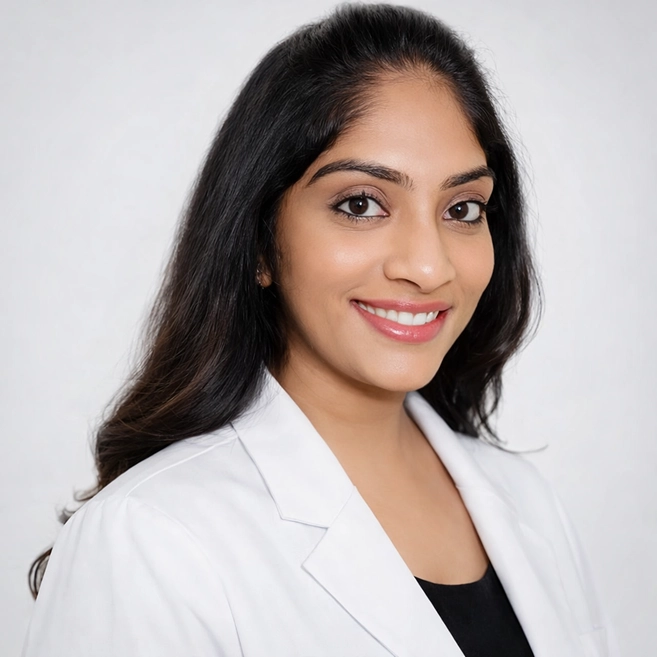
Beyond routine intraoral X-rays, elite family practices frequently utilize advanced imaging systems such as Cone Beam Computed Tomography. This remarkable technology captures incredibly detailed, three-dimensional volumetric data of the entire maxillofacial region. This 3D visualization is absolutely indispensable for planning precise surgical implant placements, evaluating complex root canal anatomies, and diagnosing obscure pathology hidden within the jawbone that would be completely invisible on traditional two-dimensional images. Another revolutionary advancement is the adoption of digital intraoral scanners. For decades, taking impressions for crowns, bridges, or orthodontic aligners required filling a patient’s mouth with a cold, messy, and often foul-tasting alginate or silicone putty, frequently triggering severe gag reflexes. Today, highly precise wand-like cameras capture millions of data points per second, stitching together a perfect, full-color 3D model of the patient’s dentition in a matter of minutes. This digital data can be instantly transmitted to dental laboratories or used in-office with CAD/CAM milling machines to design and fabricate permanent ceramic restorations in a single visit. Practices that embrace this level of digital integration, such as Dr. Shilpa Koneru and the team at Wake Cross Family Dentistry – Raleigh, demonstrate a profound commitment to clinical excellence, patient comfort, and the delivery of highly predictable, minimally invasive care.
How to Choose Your Local Dental Provider Wisely
Selecting the perfect provider from a vast list of local search results requires a systematic evaluation of several crucial factors beyond just proximity. While a convenient location absolutely reduces friction and makes routine attendance easier, it should not be the sole deciding metric. Begin by thoroughly evaluating the credentials, continuing education, and clinical philosophy of the primary practitioner. Look for dentists who are active members of recognized professional organizations, as this indicates a commitment to staying current with the rapidly evolving science of dentistry. Scrutinize the practice’s comprehensive service list; the ideal family clinic should be capable of managing at least eighty to ninety percent of your family’s needs in-house, minimizing the logistical hassle of constantly being referred to outside specialists for routine endodontic therapy or straightforward extractions.
Examine the operational logistics of the clinic. Do their office hours accommodate the restrictive schedules of working parents and school-aged children? Do they have a clear, highly responsive protocol for managing severe dental emergencies after hours or on weekends? Dental trauma, such as a completely avulsed permanent tooth, requires immediate, skilled intervention within a very narrow timeframe to save the biological structure, making emergency accessibility a non-negotiable requirement. Furthermore, evaluate their administrative efficiency. Navigating the labyrinth of dental insurance benefits can be incredibly frustrating. A top-tier practice employs knowledgeable financial coordinators who expertly verify your coverage, maximize your annual benefits, provide highly accurate pre-treatment estimates, and offer flexible financing solutions for complex treatment plans. Ultimately, the decision comes down to the quality of the interpersonal connection. Schedule a brief consultation or a simple hygiene visit to assess the atmosphere of the clinic. The staff should be warm, deeply respectful of your time, and genuinely enthusiastic about patient education. A practice that prioritizes transparent communication and treats you as a collaborative partner in your healthcare journey will invariably provide the highest quality of longitudinal care.
Frequently Asked Questions
1. What is the difference between a general dentist and a family dentist?
A general dentist typically provides primary dental care but may focus primarily on an adult demographic, potentially referring younger pediatric cases out to specialists. A family dentist is explicitly structured, both clinically and environmentally, to treat patients across the entire age spectrum, from infants to seniors. They possess specialized knowledge in managing developmental milestones, interceptive orthodontics, and the unique psychological behavioral management required for children, alongside providing comprehensive adult restorative and geriatric care within a single unified location.
2. At what age should my child have their first dental visit?
The standard recommendation from pediatric dental authorities is that a child should undergo their first comprehensive dental evaluation within six months of the eruption of their first primary tooth, and absolutely no later than their first birthday. This crucial early visit focuses heavily on parental education regarding proper infant oral hygiene techniques, dietary risk factors for early childhood caries, and acclimating the young child to the clinical environment to prevent the future development of dental anxiety.
3. How often should our family schedule routine dental cleanings?
For patients who maintain excellent home care and possess a low biological risk for developing caries or periodontal disease, scheduling a professional prophylaxis and examination every six months is the standard baseline recommendation. However, this frequency must be customized. Individuals with a history of severe gum disease, pregnant women experiencing hormonal gingivitis, or patients undergoing active orthodontic treatment may require professional maintenance visits every three to four months to properly manage bacterial loads and preserve tissue health.
4. Are dental X-rays safe for children and pregnant women?
Yes, modern dental radiography is exceptionally safe. The universal adoption of direct digital X-ray sensors has reduced radiation exposure by up to ninety percent compared to older analog film techniques. The amount of ambient background radiation a person receives simply walking outside for a few days often exceeds the minimal dose of a digital dental diagnostic image. Protective lead aprons equipped with thyroid collars are always utilized as an additional layer of security, ensuring complete safety for developing children and expectant mothers when radiographs are biologically necessary.
5. What should we do in a dental emergency after hours?
In the event of a severe dental emergency, such as uncontrolled bleeding, swelling that compromises the airway, or a forcefully knocked-out permanent tooth, you should immediately contact your family dentist’s emergency triage line. If a permanent tooth is avulsed, handle it strictly by the crown, avoid touching the delicate root surface, gently rinse off debris without scrubbing, and attempt to reinsert it into the socket, or store it in a container of cold milk while proceeding to the clinic immediately. A reputable family practice will always have robust protocols in place to address urgent trauma promptly.
Ready to Transform Your Smile?
Finding a trustworthy dental partner is one of the most impactful healthcare decisions you can make for your household. Establishing a consistent routine built on preventative science and compassionate care ensures that your family’s smiles remain healthy, functional, and radiant through every phase of life. We highly recommend connecting with a dedicated team that embodies all these exceptional qualities.
For outstanding, comprehensive generational care in a welcoming and technologically advanced environment, we encourage you to schedule an evaluation with Wake Cross Family Dentistry – Raleigh. Doctor: Dr. Shilpa Koneru Location: 4008 Mitchell Mill Rd SUITE 108, Raleigh, NC 27616, United States Telephone: +1 919-453-0777