


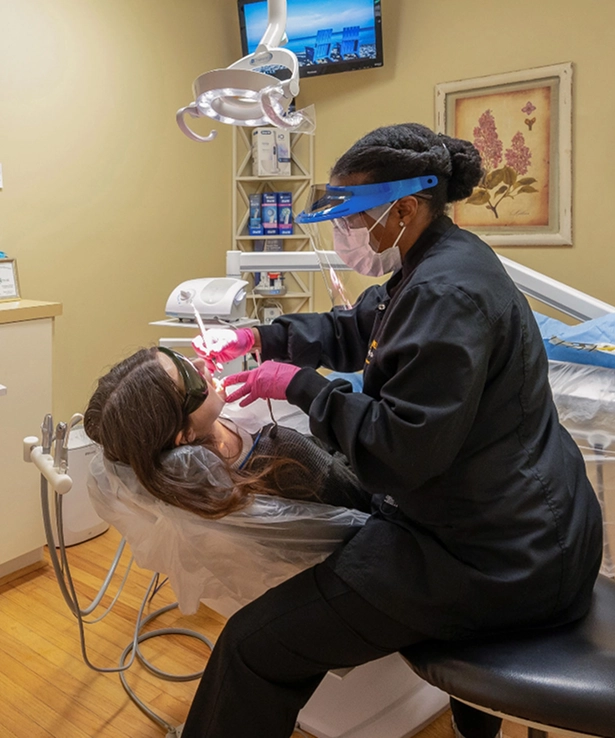

When a tooth becomes severely damaged or infected, root canal therapy can help preserve the natural tooth and restore oral health. Many patients feel nervous when they hear the term “root canal,” often because of outdated information or misunderstandings about the procedure. However, modern dentistry has made root canal treatment a comfortable and predictable solution for treating infected or inflamed tooth pulp.
Understanding the root canal therapy step by step procedure can help patients feel more prepared and confident about their treatment. From the initial dental examination to the final restoration, each stage is designed to remove infection, protect the tooth structure, and help maintain long-term function.
At Wake Cross Family Dentistry, patients receive personalized dental care focused on comfort, education, and effective treatment planning. The dental team helps explain every phase of the procedure so patients understand why root canal therapy may be recommended and what they can expect throughout the process.
What Is Root Canal Therapy?
Root canal therapy is a dental procedure used to treat problems affecting the inside portion of a tooth, known as the pulp. The pulp contains nerves, blood vessels, and connective tissues that help the tooth develop during its early stages. Once a tooth is fully developed, it can survive without the pulp because the surrounding tissues continue to support it.
When bacteria reach the inner part of a tooth due to deep decay, cracks, trauma, or repeated dental procedures, the pulp may become inflamed or infected. Without treatment, this infection can spread and may lead to pain, swelling, abscess formation, or damage to surrounding bone and tissues.
The goal of root canal therapy is to:
- Remove infected or damaged pulp tissue.
- Clean and disinfect the inside of the tooth.
- Seal the root canals to prevent future infection.
- Restore the tooth’s strength and appearance.
A root canal does not remove the entire tooth. Instead, it allows the dentist to save the natural tooth while eliminating the source of infection.
Why Is Root Canal Therapy Needed?
A dentist may recommend root canal therapy when the inner portion of a tooth becomes compromised. Common causes include:
Deep Tooth Decay
When cavities are left untreated, bacteria can continue moving deeper into the tooth. Eventually, decay may reach the pulp chamber, causing inflammation, infection, and discomfort.
Cracked or Damaged Teeth
A crack in a tooth can allow bacteria to enter the pulp. Even small fractures may create an environment where infection develops.
Dental Trauma
A tooth that experiences an injury from an accident, sports activity, or impact may suffer internal damage even if the outside appears normal.
Repeated Dental Procedures
Multiple restorations on the same tooth can sometimes irritate the pulp and contribute to inflammation over time.
Tooth Infection or Abscess
An untreated infection may create swelling, sensitivity, or a dental abscess. Root canal therapy can address the infection source and help protect surrounding structures.
Root Canal Therapy Step by Step Procedure
Understanding each stage of root canal treatment can make the experience easier and less stressful. Although every patient’s situation is different, the general process follows several important steps.
Step 1: Dental Examination and Diagnosis
The first step in root canal therapy is a comprehensive evaluation. The dentist reviews symptoms, examines the affected tooth, and may use digital X-rays or other diagnostic tools to determine the condition of the tooth roots and surrounding tissues.
During this appointment, the dentist looks for signs such as:
- Persistent tooth pain.
- Sensitivity to hot or cold temperatures.
- Pain when chewing.
- Swelling around the gums.
- Darkening or discoloration of the tooth.
- Signs of infection on dental images.
The diagnosis helps determine whether root canal therapy is the appropriate treatment option or if another dental solution may be needed.
At Wake Cross Family Dentistry, the evaluation process focuses on helping patients understand their diagnosis and available treatment options before beginning any procedure.
Step 2: Preparing the Tooth and Providing Anesthesia
Before starting the treatment, the dentist ensures the patient is comfortable. Local anesthesia is used to numb the tooth and surrounding area, helping minimize discomfort during the procedure.
A protective dental barrier called a rubber dam is typically placed around the tooth. This keeps the area clean and dry while preventing bacteria or saliva from entering the treatment area.
Many patients are surprised to learn that root canal therapy feels similar to receiving a routine dental filling because the tooth is carefully numbed throughout the procedure.
Step 3: Creating Access to the Root Canal System
Once the tooth is prepared, the dentist creates a small opening in the top portion of the tooth. This access point allows the dentist to reach the pulp chamber and root canals inside the tooth.
The tooth’s internal anatomy can vary depending on whether the treatment involves a front tooth, premolar, or molar. Some teeth have multiple canals, which require careful attention and precision during treatment.
Modern dental technology helps dentists identify and treat these complex internal structures effectively.
Step 4: Removing Infected or Damaged Pulp Tissue
The next step involves carefully removing the affected pulp tissue from inside the tooth. Specialized dental instruments are used to clean the pulp chamber and root canals.
The dentist removes:
- Infected tissue.
- Damaged nerve tissue.
- Bacteria and debris.
Removing this material helps eliminate the source of pain and infection.
The dentist also shapes the canals to prepare them for the next stage of treatment. Proper cleaning and preparation are essential for creating a successful long-term result.
Step 5: Cleaning and Disinfecting the Root Canals
After removing the damaged pulp, the dentist thoroughly cleans and disinfects the inside of the tooth. This step helps reduce bacteria and creates a healthier environment before sealing the canals.
Special solutions may be used to flush and sanitize the canal system. The goal is to remove remaining contaminants and reduce the chance of future infection.
Because root canals are very small and complex, careful technique is required to ensure all areas are properly treated.
Step 6: Filling and Sealing the Tooth
After the canals are cleaned, they are filled with a biocompatible material called gutta-percha. This material seals the inside of the tooth and helps prevent bacteria from returning.
The dentist then seals the access opening with a temporary or permanent filling depending on the treatment plan.
Sealing the tooth is an important part of the root canal therapy step by step procedure because it protects the treated area and supports long-term success.
Step 7: Restoring the Tooth After Root Canal Therapy
A tooth that receives root canal treatment often needs additional protection because removing the internal pulp can make the tooth more fragile over time.
Many patients require a dental crown or another restoration to strengthen the tooth and restore normal function.
The final restoration helps:
- Protect the tooth from fractures.
- Improve chewing ability.
- Restore the natural appearance.
- Provide long-lasting support.
The dentist will recommend the appropriate restoration based on the location of the tooth, the amount of remaining structure, and the patient’s specific needs.
What Happens After Root Canal Therapy?
Recovery after root canal treatment is usually manageable for most patients. Some mild tenderness or sensitivity may occur for a few days as the surrounding tissues heal.
Patients can often return to normal activities shortly after treatment. However, it is important to follow the dentist’s recommendations, especially regarding chewing on the treated tooth until the final restoration is completed.
Helpful recovery tips include:
- Avoid chewing hard foods on the treated tooth until fully restored.
- Follow any recommended pain management instructions.
- Maintain regular brushing and flossing habits.
- Schedule the final restoration appointment if needed.
- Contact the dental office if unusual symptoms develop.
How Long Does Root Canal Therapy Take?
The length of a root canal procedure depends on several factors, including:
- The location of the tooth.
- The number of root canals involved.
- The level of infection.
- The complexity of the tooth anatomy.
Some root canal treatments can be completed in one appointment, while others may require multiple visits. A dentist will provide a personalized timeline after evaluating the tooth.
Is Root Canal Therapy Painful?
One of the most common concerns patients have is whether root canal treatment hurts. Thanks to modern anesthesia and dental techniques, most patients experience little discomfort during the procedure.
The purpose of root canal therapy is actually to relieve pain caused by infection or inflammation inside the tooth.
After treatment, patients may experience mild soreness, but this typically improves as the area heals. Following aftercare instructions can help support a smoother recovery.
Benefits of Saving a Natural Tooth With Root Canal Therapy
Whenever possible, preserving a natural tooth is an important goal in dentistry. Root canal therapy offers several benefits compared with removing an infected tooth.
Benefits include:
- Maintaining natural chewing function.
- Preserving the alignment of surrounding teeth.
- Avoiding additional tooth replacement procedures.
- Supporting overall oral health.
A treated natural tooth can continue functioning for many years when properly restored and maintained with good oral hygiene.
How to Know If You Need Root Canal Therapy
Some dental infections cause noticeable symptoms, while others may develop quietly. It is important to schedule a dental evaluation if you experience:
- Severe or persistent tooth pain.
- Sensitivity that continues after temperature changes.
- Gum swelling near a tooth.
- Pain while biting or chewing.
- A chipped or cracked tooth.
- Tooth discoloration.
Early diagnosis can help prevent the problem from becoming more advanced and may improve treatment options.
Choosing a Dental Provider for Root Canal Treatment in Raleigh, NC
Choosing an experienced dental office can make a significant difference in your treatment experience. Patients benefit from a team that explains procedures clearly, prioritizes comfort, and creates a personalized care plan.
Wake Cross Family Dentistry provides dental services designed to support patients throughout every stage of their oral health journey. Located at 4008 Mitchell Mill Rd SUITE 108, Raleigh, NC 27616, the office focuses on providing professional dental care in a welcoming environment.
If you are experiencing tooth pain or have been advised that you may need root canal therapy, contacting the office at (919) 453-0777 can help you schedule an evaluation and learn about your options.
Frequently Asked Questions About Root Canal Therapy
What are the steps involved in a root canal procedure?
The root canal therapy step by step procedure typically includes diagnosis, anesthesia, creating access to the tooth, removing infected pulp, cleaning and disinfecting the canals, filling and sealing the tooth, and restoring it with a final dental restoration.
How long does a root canal procedure take?
A root canal may take one or more appointments depending on the tooth’s location, complexity, and level of infection. Your dentist can provide a more accurate timeline after examining your tooth.
Can a tooth heal after root canal therapy?
Yes. While the pulp inside the tooth is removed, the tooth can continue functioning because it receives support from surrounding tissues. A proper restoration helps protect the tooth after treatment.
Is root canal therapy better than tooth extraction?
In many situations, saving the natural tooth with root canal therapy is preferred because it helps maintain normal function and prevents shifting of nearby teeth. Your dentist can help determine the best option based on your oral health.
What should I avoid after a root canal?
Patients should avoid chewing hard foods on the treated tooth until it has been fully restored. Following dental instructions and maintaining good oral hygiene are important for recovery.
When should I call a dentist about tooth pain?
You should contact a dentist if you experience ongoing tooth pain, swelling, sensitivity, or discomfort when chewing. Early evaluation can help identify whether root canal therapy or another treatment is needed.
Understanding Root Canal Therapy Step by Step
Root canal therapy is a reliable dental treatment designed to remove infection, relieve discomfort, and preserve the natural tooth. Understanding the root canal therapy step by step procedure helps patients feel more informed and prepared before beginning treatment.
If you are experiencing symptoms of a damaged or infected tooth, a professional dental evaluation can help determine the right solution. Wake Cross Family Dentistry provides personalized dental care and guidance throughout the treatment process.
To schedule an appointment or learn more about root canal therapy options, contact Wake Cross Family Dentistry at 4008 Mitchell Mill Rd SUITE 108, Raleigh, NC 27616, or call (919) 453-0777.