


When researching ways to improve the appearance and function of damaged teeth, many people search for porcelain crowns before and after photos to understand what kind of transformation is possible. Porcelain crowns are among the most versatile and effective restorative dental treatments available today. They can repair damaged teeth, restore strength, improve aesthetics, and create a more balanced smile.
Whether you have a cracked tooth, severe discoloration, worn enamel, or a large filling that no longer provides adequate support, porcelain crowns can offer a long-lasting solution. Looking at before and after examples often helps patients visualize how dramatically a smile can improve through customized dental care.
This guide explains what porcelain crowns are, how they work, what before and after results typically look like, and what factors influence the final outcome.
What Are Porcelain Crowns?
A porcelain crown is a custom-made dental restoration that completely covers the visible portion of a tooth above the gumline. It acts like a protective cap, restoring both appearance and function.
Modern porcelain crowns are designed to mimic the natural translucency, color, and texture of real teeth. Because of their natural appearance, they are commonly used for front teeth and visible areas of the smile.
Crowns may be recommended for:
- Cracked or fractured teeth
- Severely worn teeth
- Teeth with large fillings
- Root canal-treated teeth
- Misshapen teeth
- Severe discoloration
- Cosmetic smile enhancement
- Restoring dental implants
The goal is not only to improve aesthetics but also to strengthen and protect compromised teeth.
Why Do People Search for Porcelain Crowns Before and After Results?
Before committing to treatment, patients want realistic expectations. Viewing porcelain crowns before and after cases helps answer important questions such as:
- Will the crown look natural?
- How much can my smile improve?
- Can a crown fix discoloration?
- Will gaps or uneven teeth be corrected?
- How noticeable will the restoration be?
While every case is unique, before and after transformations often demonstrate significant improvements in symmetry, color consistency, tooth shape, and overall smile confidence.
What Do Porcelain Crowns Fix?
Damaged Teeth
Teeth can become damaged due to accidents, sports injuries, grinding, or decay. In before images, a tooth may appear chipped, cracked, or weakened.
After treatment, the porcelain crown restores the tooth’s original shape and strength, allowing normal chewing and speaking.
Severe Tooth Discoloration
Some stains cannot be removed through professional whitening treatments. Internal discoloration caused by trauma, medications, or previous dental work may require a crown instead.
Before treatment, the tooth may appear dark gray, brown, or yellow compared to surrounding teeth.
After crown placement, the tooth can blend seamlessly with neighboring teeth.
Worn Teeth
Years of grinding or acid erosion can significantly shorten teeth.
Before treatment, patients often notice:
- Flat edges
- Uneven smile lines
- Increased tooth sensitivity
After treatment, crowns restore proper tooth length and create a more youthful smile appearance.
Misshapen Teeth
Some individuals naturally have teeth that are unusually small, irregular, or poorly proportioned.
Porcelain crowns can dramatically improve symmetry and harmony within the smile.
Porcelain Crowns Before and After: Common Smile Transformations
Before: Cracked Front Tooth
A crack in a front tooth often affects both appearance and confidence.
Patients frequently feel self-conscious when speaking, smiling, or taking photographs.
After: Natural-Looking Restoration
A custom porcelain crown can restore:
- Natural tooth shape
- Color matching
- Surface texture
- Structural integrity
Many people find it difficult to distinguish the crowned tooth from surrounding natural teeth.
Before: Large Filling with Recurrent Decay
Old fillings may weaken a tooth over time.
The tooth may appear:
- Discolored
- Fragile
- Irregularly shaped
After: Strong and Healthy Appearance
The crown covers and protects the tooth while creating a cleaner and more uniform appearance.
Before: Severely Worn Teeth
Grinding can cause extensive enamel loss.
Patients may notice:
- Short teeth
- Uneven bite
- Smile aging
After: Restored Length and Function
Crowns can rebuild lost tooth structure and improve both aesthetics and chewing efficiency.
How the Porcelain Crown Process Works
Initial Consultation
The process begins with a comprehensive dental examination.
Your dentist evaluates:
- Tooth health
- Gum condition
- Bite alignment
- Existing restorations
- Cosmetic goals
Digital imaging and X-rays may be used to determine whether a crown is the best solution.
Tooth Preparation
A small amount of enamel is carefully removed to create room for the crown.
The dentist then takes impressions or digital scans that are sent to a dental laboratory.
Temporary Crown
A temporary crown protects the prepared tooth while the permanent restoration is being fabricated.
This stage allows patients to maintain normal function during treatment.
Crown Fabrication
Skilled dental technicians design the crown based on:
- Tooth color
- Shape
- Size
- Bite relationship
The goal is to achieve a restoration that looks and feels natural.
Final Placement
Once completed, the permanent crown is bonded securely onto the tooth.
The dentist checks:
- Fit
- Comfort
- Bite alignment
- Appearance
Minor adjustments may be made to ensure optimal results.
What Factors Affect Before and After Results?
Dentist Experience
The skill and artistic ability of the dentist significantly influence the final appearance.
Proper planning helps ensure crowns complement facial features and existing teeth.
Laboratory Quality
The dental laboratory plays a major role in producing natural-looking restorations.
High-quality porcelain can replicate subtle details found in natural enamel.
Oral Health Condition
Healthy gums provide the foundation for attractive crown results.
Patients with gum disease may require treatment before crown placement.
Patient Goals
Every smile makeover is customized.
Some patients prefer subtle improvements, while others seek dramatic cosmetic enhancements.
Clear communication helps achieve desired outcomes.
How Natural Do Porcelain Crowns Look?
Modern porcelain crowns are designed to closely resemble natural teeth.
Advanced materials allow technicians to recreate:
- Light reflection
- Color gradients
- Surface texture
- Natural translucency
In many cases, observers cannot tell which tooth has been restored.
The most successful results blend seamlessly with the surrounding smile.
How Long Do Porcelain Crowns Last?
With proper care, porcelain crowns can last 10 to 15 years or longer.
Several factors influence longevity:
Oral Hygiene
Daily brushing and flossing help prevent decay around the crown margins.
Bite Forces
Patients who grind or clench their teeth may experience additional wear.
A custom nightguard may be recommended.
Regular Dental Visits
Routine examinations help identify minor issues before they become larger problems.
Many crowns remain functional and attractive for decades when properly maintained.
Are Porcelain Crowns Better Than Veneers?
The answer depends on the condition of the tooth.
Veneers
Veneers cover only the front surface of the tooth and are primarily cosmetic.
They are often suitable for:
- Minor chips
- Mild discoloration
- Small gaps
Crowns
Crowns cover the entire tooth and provide structural reinforcement.
They are typically recommended when:
- Significant damage exists
- Large fillings are present
- The tooth requires added strength
A dentist can determine which option best meets your needs.
What Can You Expect Immediately After Treatment?
Most patients adjust quickly to their new crown.
It is normal to experience:
- Mild sensitivity
- Minor bite awareness
- Temporary gum tenderness
These symptoms typically improve within a few days.
Once fully adjusted, the crown should feel similar to a natural tooth.
Caring for Your Porcelain Crown
Proper maintenance supports long-term success.
Brush Twice Daily
Use a soft-bristled toothbrush and fluoride toothpaste.
Floss Every Day
Flossing removes plaque from areas surrounding the crown.
Avoid Excessive Force
Avoid chewing on hard objects such as ice, pens, or hard candies.
Schedule Regular Checkups
Professional cleanings and examinations help preserve both crowns and natural teeth.
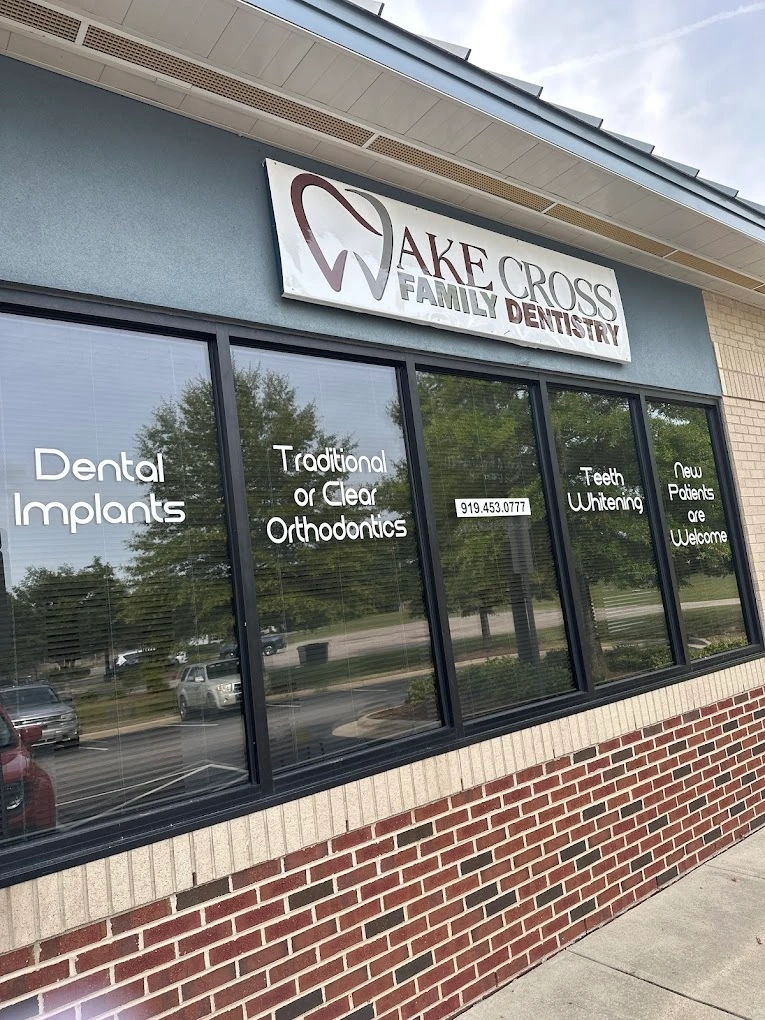
At Wake Cross Family Dentistry, patients receive guidance on maintaining their restorations and protecting their long-term oral health.
Are Porcelain Crowns Worth It?
For many patients, porcelain crowns provide substantial benefits.
These include:
- Improved smile appearance
- Increased tooth strength
- Better chewing ability
- Long-term durability
- Enhanced confidence
When a damaged or compromised tooth affects daily life, a crown can often restore both function and aesthetics with predictable results.
The dramatic improvements visible in porcelain crowns before and after cases demonstrate why this treatment remains one of the most popular restorative dentistry options available today.
Why Choose Professional Evaluation for Porcelain Crowns?
Every smile is unique. What works for one patient may not be ideal for another.
A professional evaluation helps determine:
- Whether a crown is necessary
- Alternative treatment options
- Expected outcomes
- Long-term prognosis
At Wake Cross Family Dentistry, the dental team works closely with patients to develop personalized treatment plans that prioritize both oral health and cosmetic goals.
Frequently Asked Questions About Porcelain Crowns Before and After
How much difference can porcelain crowns make to a smile?
Porcelain crowns can create significant improvements by correcting discoloration, damage, uneven shapes, worn teeth, and structural weaknesses. Many patients experience dramatic smile transformations.
Do porcelain crowns look fake?
Modern porcelain crowns are designed to closely resemble natural teeth. High-quality materials and custom shading help create realistic results.
How long does it take to see porcelain crown results?
Most patients complete treatment within two visits, although timing may vary depending on the case and laboratory fabrication process.
Can porcelain crowns whiten dark teeth?
Yes. Crowns can effectively cover severe discoloration that may not respond to traditional whitening procedures.
Are porcelain crowns permanent?
Crowns are considered a long-term restoration. While they may eventually need replacement, many last 10 to 15 years or longer with proper care.
Can I eat normally after getting a porcelain crown?
Yes. Once the crown is securely placed and adjusted, most patients can return to normal eating habits while avoiding excessively hard objects.
Conclusion
Porcelain crowns before and after transformations often showcase remarkable improvements in both dental function and smile aesthetics. Whether repairing damage, restoring worn teeth, or enhancing overall appearance, porcelain crowns provide a reliable and natural-looking solution for many dental concerns.
If you are considering porcelain crowns and would like personalized guidance, schedule a consultation with Wake Cross Family Dentistry. Their experienced team can evaluate your needs, discuss treatment options, and help you achieve a healthier, more confident smile.
Visit Wake Cross Family Dentistry at 4008 Mitchell Mill Rd SUITE 108, Raleigh, NC 27616, or call (919) 453-0777 to learn more about your options and determine whether porcelain crowns may be right for you.