


Experiencing sudden and severe dental pain can be one of the most distressing situations a person can endure. When a sudden oral injury occurs or an unrelenting toothache begins to radiate through your jaw, your first instinct is likely to search for an emergency dentist near me. This immediate reaction is entirely correct, as time is often the most critical factor in saving a damaged tooth and preventing a localized infection from spreading to other parts of your body. Dental emergencies do not operate on a convenient schedule. They frequently happen during the weekend, late at night, or right before a major life event, leaving you scrambling for immediate professional assistance. Understanding exactly what constitutes a true dental emergency, knowing how to manage the symptoms temporarily, and having a reliable dental care provider in mind can transform a moment of panic into a well-managed healthcare response.
Navigating the landscape of urgent dental care requires a foundational knowledge of oral health. Many patients struggle to determine whether their discomfort warrants an immediate late-night phone call to a specialist or if it can wait for a standard appointment later in the week. Making the wrong decision can lead to irreversible damage, such as the permanent loss of a natural tooth or the development of a systemic infection that requires hospitalization. Conversely, rushing to an emergency room for a minor issue can result in unnecessary medical bills and prolonged waiting times, often ending without a definitive dental treatment. This comprehensive guide is designed to educate you on the nuances of urgent dental care, providing you with the knowledge to make informed decisions when every minute counts.
By familiarizing yourself with the distinct categories of dental trauma and infection, you will be better equipped to protect your smile and overall well-being. We will explore the most common scenarios that demand immediate intervention, the first aid steps you should take while in transit to the clinic, the treatments you can expect upon arrival, and proactive measures to reduce your risk of future incidents. Whether you are currently dealing with a throbbing toothache or simply preparing for the unexpected, this information will serve as your ultimate resource for urgent oral health management.
Understanding What Truly Qualifies as a Dental Emergency
Differentiating between a minor dental inconvenience and a genuine emergency is the first step in protecting your oral health. A true dental emergency typically involves severe pain, uncontrollable bleeding, or circumstances that threaten the structural integrity of a tooth or the surrounding bone. When these criteria are met, delaying treatment is not an option. Immediate professional intervention is required to alleviate suffering, control bleeding, and implement restorative procedures that preserve your natural dentition.
Severe Toothache and Unrelenting Pain
A severe toothache is perhaps the most common reason people search for immediate dental care. However, not all toothaches are created equal. A fleeting twinge of pain when eating ice cream is usually a sign of enamel erosion or mild gum recession, which can be addressed during a routine visit. In contrast, an emergency toothache is characterized by spontaneous, throbbing, and unrelenting pain that cannot be managed with over-the-counter pain relievers. This type of intense discomfort often radiates to the ear, neck, or head and can make sleeping or working completely impossible.
This level of pain usually indicates that the innermost layer of the tooth, known as the dental pulp, has become severely inflamed or infected. The pulp contains the tooth’s nerves and blood vessels, and when bacteria breach the protective layers of enamel and dentin due to deep decay or a microscopic crack, the resulting inflammation causes immense pressure within the confined space of the tooth. Because the tooth is a rigid structure, there is nowhere for the swelling to go, leading to excruciating nerve pain. If left untreated, the pulp will eventually die, leading to an abscess and the potential need for a complete tooth extraction. Therefore, if you are experiencing pain that disrupts your daily life and does not subside, you must seek urgent evaluation.
Knocked-Out Teeth (Avulsed Tooth)
A completely knocked-out tooth, medically referred to as an avulsed tooth, is one of the most time-sensitive dental emergencies you can experience. This trauma frequently occurs during contact sports, automobile accidents, or accidental falls. When a tooth is forcefully ejected from its socket, the delicate ligaments, nerves, and blood vessels connecting it to the jawbone are violently severed. Despite this severe trauma, the tooth can often be saved and successfully replanted if you receive professional care within thirty to sixty minutes of the incident.
The survival of a knocked-out tooth depends entirely on how it is handled immediately after the accident and how quickly you can get to a clinic. It is crucial to locate the tooth and pick it up only by the crown, which is the chewing surface. You must never touch the root, as doing so can irreparably damage the fragile periodontal ligament cells that are essential for successful reattachment. If the tooth is dirty, gently rinse it with milk or saline solution, but do not scrub it or use soap. The best place for the tooth is back in its socket, but if you cannot reinsert it, keeping it moist in a container of cold milk or your own saliva is the next best option while you rush to the dentist.
Dental Abscesses and Severe Infections
A dental abscess is a localized collection of pus that forms inside the teeth, in the gums, or in the bone that holds the teeth in place. It is a severe bacterial infection that requires immediate medical attention. Abscesses typically present as a painful, pimple-like swelling on the gums, accompanied by a foul taste in the mouth, persistent bad breath, and extreme sensitivity to hot and cold temperatures. The pain associated with an abscess is often described as a constant, deep throbbing sensation that worsens when you lie down.
What makes a dental abscess a critical emergency is its potential to spread rapidly. If the infection breaches the boundaries of the jaw, it can enter the surrounding facial tissues, causing severe swelling in the cheeks or under the jaw. In extreme cases, the infection can enter the bloodstream, leading to a life-threatening condition known as sepsis, or it can spread to the airway, compromising your ability to breathe. If you notice a swollen pocket of pus on your gums, experience a sudden fever, or have difficulty swallowing or opening your mouth, you must stop searching and immediately proceed to an emergency dental clinic or a hospital emergency room.
Broken, Chipped, or Fractured Teeth
Teeth are incredibly strong, but they are not indestructible. Biting down on a piece of ice, an unpopped popcorn kernel, or receiving a blow to the face can cause a tooth to chip, crack, or break entirely. The urgency of a broken tooth depends largely on the extent of the damage. A small chip that only affects the outer enamel might just be a cosmetic issue that can wait a few days. However, a significant fracture that exposes the underlying dentin or the sensitive pulp chamber is a strict emergency.
When the inner layers of the tooth are exposed, they become highly vulnerable to bacterial invasion and extreme temperature sensitivity. A severe fracture can also leave sharp edges that lacerate the tongue, cheeks, and lips, causing secondary bleeding and ulcerations. Furthermore, a tooth that has cracked vertically down into the root may be impossible to save if not treated swiftly. An urgent care dentist will need to evaluate the depth of the fracture using digital imaging to determine whether the tooth can be restored with a dental crown, requires root canal therapy, or must be carefully extracted to prevent further complications.
Hospital Emergency Room Versus Urgent Dental Clinics
A common point of confusion during a dental crisis is deciding whether to visit a traditional hospital emergency room or a specialized dental practice. While an emergency room is equipped to handle life-threatening medical situations, they are generally not staffed with licensed dentists. This means that if you visit a hospital for a severe toothache or a broken tooth, the attending physicians can only offer palliative care. They can prescribe antibiotics to manage an infection and strong painkillers to reduce your discomfort, but they cannot perform the actual dental work needed to solve the root cause of the problem.
Hospital emergency rooms cannot perform root canals, extract severely decayed teeth, or successfully replant a knocked-out tooth. Therefore, visiting an ER for a purely dental issue often results in an expensive hospital bill and a mandate to follow up with a dentist anyway. The only times you should bypass a dental clinic and go straight to a hospital ER are when a dental infection is obstructing your airway, when an oral injury is accompanied by suspected jaw fractures, deep facial lacerations, or head trauma, or when you are experiencing uncontrollable bleeding that does not stop after applying continuous pressure for twenty minutes. For all other urgent oral health issues, a specialized dental provider is the correct choice.
Situations That Are Not Immediate Dental Emergencies
While any change in your oral health can be concerning, not every situation demands dropping everything to rush to a clinic. Understanding what can wait for normal business hours helps preserve emergency resources and saves you from unnecessary stress. These non-urgent situations still require professional attention, but they do not pose an immediate threat to your overall health or the long-term viability of your teeth if delayed by a day or two.
Mild Sensitivity and Dull Aches
Experiencing a brief, sharp pain when consuming a hot cup of coffee or a cold glass of water is incredibly common. This mild sensitivity is often the result of receding gums exposing the tooth root, or a microscopic area of enamel wear. As long as the pain dissipates quickly once the temperature stimulus is removed, it is not considered an emergency. Similarly, a dull, intermittent ache that does not prevent you from sleeping or functioning normally can usually wait for a scheduled appointment. You can manage this discomfort at home using desensitizing toothpaste and over-the-counter pain relievers while you wait to be seen.
Lost Crowns or Fillings Without Severe Pain
Dental restorations like fillings, crowns, and bridges are designed to be durable, but they can occasionally become dislodged. Eating sticky candies like caramel or chewing on hard foods can break the adhesive bond holding the restoration in place. While losing a crown or a filling is certainly inconvenient and can leave the underlying tooth feeling strange or slightly sensitive, it is not an emergency unless it is accompanied by severe, unrelenting pain. If you lose a restoration, carefully clean it and store it in a safe place. You can purchase over-the-counter dental cement at a local pharmacy to temporarily cover the exposed tooth structure until you can visit your dentist for a permanent replacement or recementation.
Step-by-Step Actions to Take Before Reaching the Clinic
The moments immediately following a dental injury are critical. The actions you take at home or at the scene of an accident can directly influence the success of the clinical treatment you will receive later. First aid for oral injuries focuses on preserving the physical tooth structure, minimizing the risk of contamination, and managing pain and inflammation safely until a professional can take over.
Handling a Knocked-Out Tooth Properly
If you or a family member suffers an avulsed tooth, time and technique are your best allies. First, find the tooth immediately. Pick it up strictly by the crown, completely avoiding any contact with the root. If the tooth has fallen in dirt, gently rinse it with milk. Do not use tap water if possible, as the chlorine and minerals can damage the living cells on the root surface. Carefully attempt to place the tooth back into its socket, having the patient bite down softly on a piece of clean gauze to hold it in place. If replantation is not possible due to pain or risk of swallowing, place the tooth in a small container of milk or an ADA-approved tooth preservation kit. Proceed to a dental professional immediately, as the chances of successful reintegration drop significantly after one hour.
Managing Pain and Swelling Safely
When dealing with a severe toothache or facial trauma, managing your pain and swelling will make the trip to the clinic much more bearable. Apply a cold compress or an ice pack wrapped in a cloth to the outside of your cheek, leaving it on for fifteen minutes and taking it off for fifteen minutes. This alternating cold therapy constricts blood vessels, which significantly reduces facial swelling and numbs the area locally. For internal pain management, take over-the-counter medications like ibuprofen or acetaminophen exactly as directed on the packaging. You must absolutely avoid the outdated home remedy of placing an aspirin directly on the gums next to the aching tooth. Aspirin is highly acidic and will cause severe chemical burns to your delicate gum tissue, creating a second painful problem for the dentist to treat.
Stopping Bleeding After Dental Trauma
Injuries to the mouth often bleed profusely because the lips, tongue, and gums are densely packed with blood vessels. While the amount of blood can look terrifying, especially mixed with saliva, it is often manageable with basic first aid. Gently rinse your mouth with mild salt water to clear away debris and get a better look at the source of the bleeding. Once identified, take a clean piece of medical gauze or a moistened tea bag and apply firm, continuous pressure directly to the bleeding site for fifteen to twenty minutes. Tea bags contain tannic acid, which naturally promotes blood clotting. If the bleeding is arterial, pulsates, or does not slow down after twenty minutes of relentless pressure, you should head to a hospital emergency room immediately.
Why Choosing the Right Local Clinic Matters
When you are in the midst of a painful crisis, the last thing you want to do is spend hours researching different providers, reading reviews, and checking location maps. Establishing a relationship with a reliable local practice beforehand ensures that you know exactly who to call when disaster strikes. A practice that offers comprehensive services can seamlessly transition you from emergency pain relief to long-term restorative care without the need to bounce between different specialists.
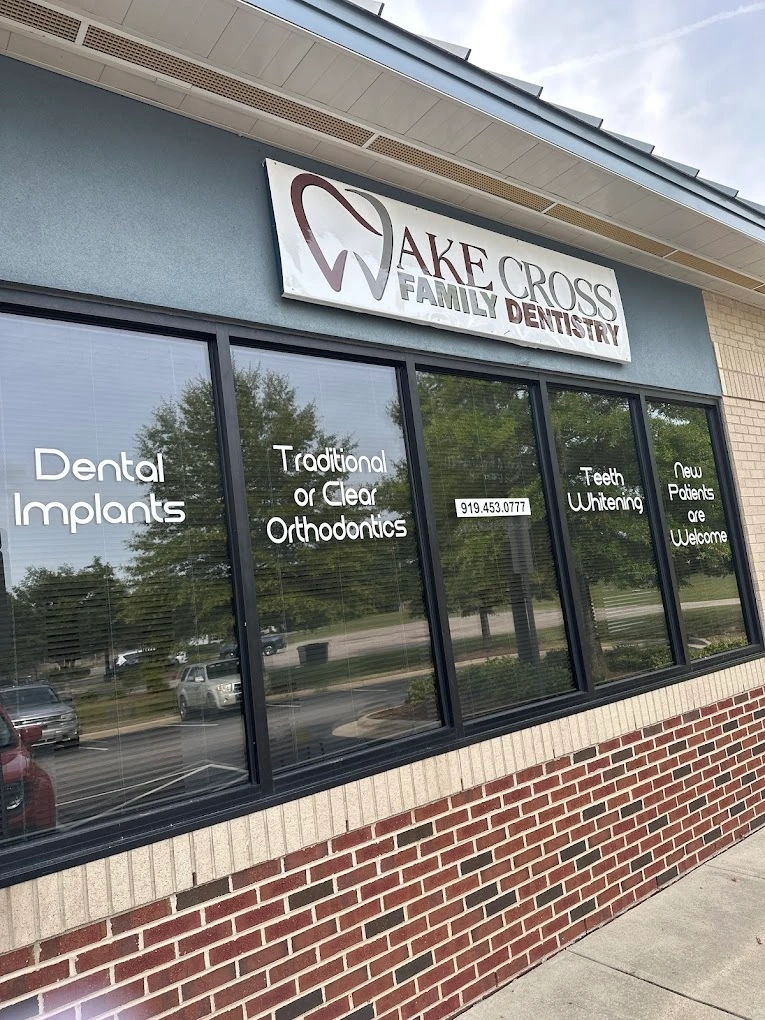
For residents in the area, Wake Cross Family Dentistry is highly regarded for handling urgent oral health needs with compassion and clinical excellence. Finding a trusted provider means you have access to professionals who understand the anxiety and discomfort associated with dental trauma. When you contact Wake Cross Family Dentistry, you are connecting with a team that prioritizes rapid assessment and effective pain management. Their facility, conveniently located at 4008 Mitchell Mill Rd SUITE 108, Raleigh, NC 27616, is equipped with the latest diagnostic technology to quickly identify the source of your pain and implement the necessary restorative procedures. Knowing you have a dedicated team just a phone call away at (919) 453-0777 provides immense peace of mind for you and your entire family.
Common Treatments Provided by Urgent Dental Clinics
Once you arrive at the clinic, the immediate goal is to accurately diagnose the problem, eliminate your pain, and stabilize the affected area. Modern dentistry offers a wide array of advanced treatments designed to save your natural teeth whenever possible. The specific procedure you undergo will depend entirely on the nature and severity of your injury or infection.
Root Canal Therapy for Infection Control
When a patient arrives with a severe, throbbing toothache indicative of an infected dental pulp or an abscess, root canal therapy is often the treatment of choice. Despite its intimidating reputation, a modern root canal is a highly effective, pain-relieving procedure that feels very similar to receiving a standard filling. After profoundly numbing the area with local anesthesia, the dentist creates a small opening in the crown of the tooth to access the infected pulp chamber. The diseased nerve tissue, bacteria, and necrotic debris are meticulously cleaned out using specialized micro-instruments. Once the internal canals are disinfected and shaped, they are sealed with a biocompatible material called gutta-percha to prevent future bacterial infiltration. This procedure saves the natural structure of the tooth, eliminating the need for an extraction and preserving your natural bite alignment.
Tooth Extractions as a Last Resort
Dentists will always make every effort to save your natural teeth, but there are situations where an extraction is the only viable option to protect your overall health. If a tooth is fractured vertically below the gum line, if severe periodontal disease has destroyed the supporting bone, or if an infection is so massive that a root canal cannot resolve it, the tooth must be removed. Emergency extractions are performed under local anesthesia to ensure you feel no pain, only a sensation of pressure. Following the extraction, the dentist will provide you with detailed aftercare instructions to promote healthy blood clotting and prevent complications like dry socket. They will also discuss future replacement options, such as dental implants or bridges, to restore the gap in your smile.
Dental Splinting for Loose Teeth
When a tooth is knocked loose but not completely out of its socket, a procedure known as dental splinting is often utilized. This involves physically securing the mobile, traumatized tooth to the stable, healthy teeth adjacent to it using a flexible wire or a specialized composite resin. This splint acts much like a cast on a broken arm, holding the loose tooth perfectly still so that the severed periodontal ligaments can heal and reattach to the jawbone. The splint usually remains in place for a couple of weeks, during which the patient must stick to a soft food diet and maintain meticulous oral hygiene to support the healing process.
Preventing Future Urgent Dental Situations
While accidents are sometimes unavoidable, the vast majority of dental emergencies related to decay, infection, and biomechanical wear are entirely preventable. By adopting a proactive approach to your oral health and taking sensible precautions during physical activities, you can drastically reduce your chances of spending your weekend in an emergency dental chair.
The Importance of Protective Mouthguards
If you or your children participate in sports like basketball, soccer, football, or martial arts, wearing a well-fitted mouthguard is non-negotiable. A significant percentage of all knocked-out and fractured teeth are the result of sports-related facial impacts. While store-bought boil-and-bite guards offer some protection, a custom-fabricated mouthguard provided by your dentist offers superior shock absorption and a comfortable fit that does not impede breathing or speaking. Additionally, if you suffer from bruxism, which is the involuntary grinding and clenching of teeth during sleep, a custom night guard is essential. Chronic grinding puts immense stress on the enamel, eventually leading to microscopic cracks that can suddenly fracture under normal chewing pressure.
Maintaining Consistent Oral Hygiene Routines
The most effective way to prevent emergencies caused by severe toothaches and abscesses is to stop tooth decay before it starts. This requires a strict, consistent daily oral hygiene routine. Brushing twice a day with fluoride toothpaste and flossing daily removes the sticky plaque biofilm that harbors decay-causing bacteria. Furthermore, adhering to a schedule of bi-annual professional cleanings and examinations allows your dentist to detect early signs of trouble. Using digital x-rays, they can spot hidden cavities between the teeth or early signs of bone loss long before they manifest as agonizing, late-night emergencies. Preventative care is always less expensive and far less painful than emergency intervention.
Conclusion and Final Recommendations
Experiencing a sudden oral injury or an unbearable toothache is an inherently stressful event, but knowing how to identify the problem and where to turn for help makes all the difference. Remember that true emergencies involve severe pain, uncontrollable bleeding, or structural damage to a tooth that exposes its inner layers. Taking appropriate first aid measures, such as handling a knocked-out tooth correctly and managing swelling with cold compresses, can significantly improve the clinical outcome. Above all, do not ignore persistent dental pain, as it is your body’s clear warning signal that a serious infection or issue requires immediate attention.
If you find yourself searching for immediate relief and professional care, we highly recommend reaching out to Wake Cross Family Dentistry. Their experienced team is dedicated to providing swift, compassionate, and effective treatments to restore your oral health and alleviate your suffering. Do not wait for a minor issue to escalate into a major crisis. You can visit them at 4008 Mitchell Mill Rd SUITE 108, Raleigh, NC 27616, or call them immediately at (919) 453-0777 to schedule an urgent evaluation. Taking prompt action is the absolute best way to protect your smile and ensure your long-term health.
Frequently Asked Questions About Dental Implants Raleigh NC
What should I do if my tooth is completely knocked out?
You must find the tooth immediately and handle it only by the crown, never the root. Rinse it gently with milk if it is dirty, and try to place it back into the socket. If that is not possible, store the tooth in a container of cold milk or your own saliva and get to an emergency dentist within an hour to maximize the chances of saving the tooth.
Can a hospital emergency room fix my broken tooth?
No, a traditional hospital emergency room cannot fix a broken tooth, perform root canals, or extract teeth. Hospital physicians can only provide palliative care, which includes prescribing antibiotics for infections and painkillers for your discomfort. You will still need to follow up with a licensed dentist to repair the actual structural damage to your tooth.
How do I know if my toothache is a real emergency?
A toothache is considered a dental emergency if the pain is severe, constant, and throbbing, and if it cannot be managed with standard over-the-counter pain medications. If the pain radiates to your jaw or neck, wakes you up from sleep, or is accompanied by fever, facial swelling, or a foul-tasting discharge, you need immediate professional care.
Is it safe to put aspirin directly on my gums for pain?
No, it is highly unsafe to place aspirin or any other pain medication directly on your gums. Aspirin is extremely acidic and will cause severe chemical burns and painful ulcerations on your delicate oral tissues. Always swallow pain medication as directed on the packaging and use a cold compress on the outside of your face to manage localized pain.
What happens if I ignore a dental abscess?
Ignoring a dental abscess is highly dangerous. The infection will not go away on its own and will continue to destroy the surrounding bone tissue. If left untreated, the bacterial infection can spread to your facial spaces, compromise your airway, or enter your bloodstream, leading to a potentially fatal systemic condition called sepsis.
Will my dental insurance cover an emergency visit?
Most standard dental insurance policies will cover a portion of an emergency examination and the necessary diagnostic x-rays. The coverage for the actual treatment, such as an extraction or a root canal, depends entirely on the specific terms of your policy. Clinic staff can usually verify your benefits and explain any out-of-pocket costs before proceeding with the necessary procedures.