


What Are Porcelain Crowns in Raleigh, NC?
Porcelain crowns in Raleigh, NC are tooth-shaped restorations designed to cover and protect a damaged, weakened, or significantly restored tooth. A porcelain crown can restore the tooth’s shape, strength, function, and appearance while blending with the surrounding teeth. For patients researching dental crowns in Raleigh, understanding when a crown is appropriate and what the treatment involves can make it easier to compare restorative options.
A crown is different from a filling because it covers a larger portion of the tooth. A filling generally repairs a limited area of decay or damage, while a crown may be recommended when a tooth has lost substantial structure. Crowns can also be used after certain root canal treatments or to restore teeth that are cracked, heavily worn, or otherwise compromised.
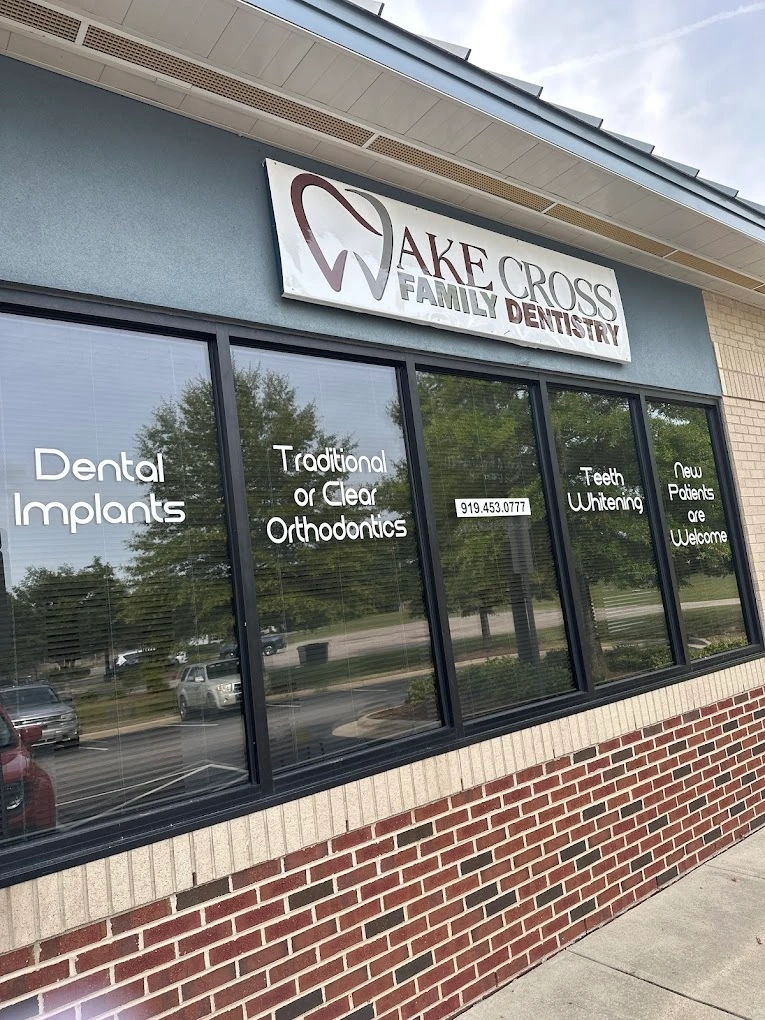
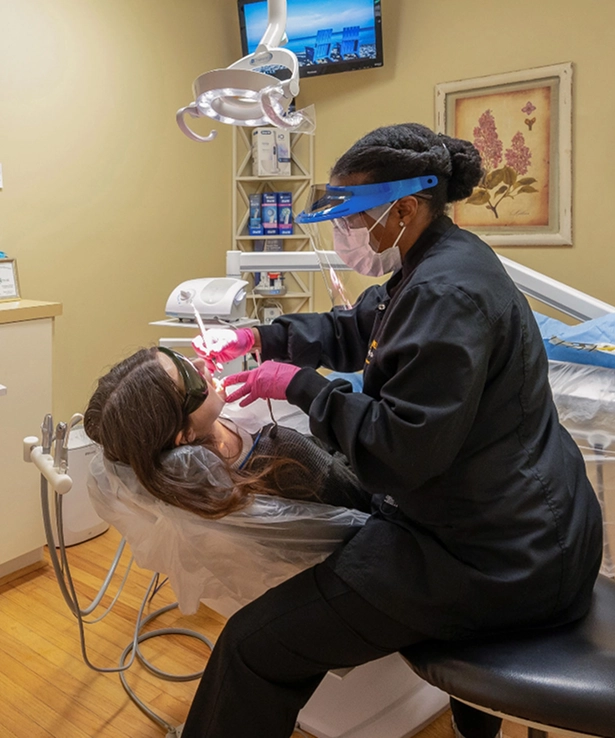
At Wake Cross Family Dentistry, patients in Raleigh can discuss their concerns with a dental professional and receive an individualized evaluation. The appropriate restoration depends on the condition of the tooth, the surrounding tissues, the patient’s bite, and the overall treatment goals.
When Are Porcelain Crowns Recommended?
A porcelain crown may be considered when a tooth cannot be predictably restored with a smaller restoration. One common example is a tooth with extensive decay. If a significant amount of tooth structure has been removed because of decay, a filling alone may not provide the desired structural support.
Another situation involves a tooth that has fractured. A cracked or broken tooth can have compromised structural integrity, and a crown may be part of the treatment plan depending on the location and extent of the damage.
Porcelain crowns may also be considered for teeth that have undergone extensive restorative treatment. In some cases, a crown is placed after root canal therapy to restore the tooth and protect the remaining structure. The recommendation depends on the individual tooth and its condition.
For example, imagine a Raleigh patient with a molar that has a large existing filling and has developed additional cracks around the remaining tooth structure. Rather than simply replacing the filling repeatedly, the dentist may evaluate whether a crown would provide a more appropriate restoration. The decision should always follow an examination rather than being based solely on the patient’s symptoms.
Why Choose Porcelain for a Dental Crown?
Porcelain is commonly used for dental restorations because it can be designed to resemble natural tooth enamel. The material can be customized in terms of shape and shade so that the restoration fits visually with the patient’s smile.
For teeth that are visible when speaking or smiling, appearance can be an important consideration. A well-designed crown should not only address the underlying dental problem but also fit appropriately with the neighboring teeth.
The choice of crown material, however, depends on several factors. The position of the tooth, bite forces, available tooth structure, aesthetic expectations, and dentist’s recommendation all matter. In some situations, another restorative material may be more appropriate.
A consultation allows the dentist to explain the differences between available crown materials and recommend an option based on the specific tooth rather than applying the same solution to every patient.
How Does Porcelain Crown Treatment Work?
The process generally begins with a dental examination. The dentist evaluates the tooth, checks for decay or infection, assesses the surrounding gum tissue, and considers the patient’s bite.
If a crown is appropriate, the tooth is prepared by removing a controlled amount of damaged or existing tooth structure. This creates space for the restoration while preserving as much healthy tooth structure as possible.
An impression or digital scan may then be taken to help create the crown. The dentist may place a temporary restoration while the permanent crown is being fabricated, depending on the treatment approach.
At the final appointment, the permanent crown is evaluated for fit, appearance, and bite. Once the dentist determines that the restoration fits appropriately, it is secured to the prepared tooth.
The exact number of appointments depends on the technology available, the type of crown selected, laboratory requirements, and the complexity of the case.
What Are Same-Day Porcelain Crowns in Raleigh, NC?
Same-Day Porcelain Crowns in Raleigh, NC refer to crown treatment that may be completed in a single appointment when the dental office has the appropriate chairside technology and the patient is a suitable candidate.
Traditional crown treatment often involves preparing the tooth, taking an impression or scan, sending information to a dental laboratory, and returning for placement of the permanent restoration. Same-day workflows can use digital scanning and in-office milling or fabrication technology to streamline some of these steps.
However, same-day treatment is not automatically appropriate for every patient or every tooth. The condition of the tooth, the type of restoration required, the complexity of the case, and the technology available at the practice all influence whether a same-day approach is possible.
Patients interested in same-day porcelain crowns should ask the dental office whether this option is available for their particular case.
Are Porcelain Crowns Affordable in Raleigh, NC?
The cost of a porcelain crown varies depending on the circumstances of treatment. There is no single price that applies to every patient because the overall treatment can involve different procedures and materials.
Factors that may influence the cost include the type of porcelain restoration, laboratory or chairside fabrication, diagnostic imaging, preparation of the tooth, temporary restoration, additional dental treatment, and the complexity of the case.
When patients search for Affordable Porcelain Crowns in Raleigh, NC, it is useful to consider more than the initial price. The type and quality of the restoration, the condition of the tooth, the dentist’s treatment plan, and what is included in the quoted fee can all affect the overall value of treatment.
For example, a patient may initially believe that replacing a crown is a straightforward procedure, but an examination may reveal decay underneath an existing restoration. Treating the underlying problem before placing a new crown can become an essential part of the treatment plan.
A dental office can provide a more accurate estimate after evaluating the tooth and determining which procedures are necessary.
How Long Do Porcelain Crowns Last?
The lifespan of a porcelain crown can vary. Crowns are exposed to normal chewing forces every day, and their longevity can be influenced by oral hygiene, bite forces, tooth grinding, diet, periodontal health, and the condition of the supporting tooth.
A crown does not eliminate the need for preventive dental care. The tooth beneath the restoration can still develop decay, particularly near the crown margins if oral hygiene is inadequate.
Patients should continue brushing twice daily, cleaning between their teeth, and attending routine dental examinations. If a patient grinds or clenches their teeth, the dentist may discuss protective strategies such as a nightguard.
Regular dental visits also give the dentist an opportunity to check the crown and surrounding tissues for changes.
Can Porcelain Crowns Look Like Natural Teeth?
One of the main reasons patients consider porcelain restorations is their ability to provide a natural-looking appearance. The dentist and dental laboratory can consider factors such as tooth shade, shape, proportions, and the appearance of adjacent teeth when designing the restoration.
For a front tooth, aesthetic considerations may be particularly important because the crown is highly visible. The restoration may need to match the translucency, contour, and general appearance of neighboring teeth.
For a back tooth, chewing function and strength may receive greater emphasis, although appearance can still matter.
The best result depends not only on the material but also on accurate preparation, careful design, appropriate color selection, and proper fit.
Porcelain Crowns vs. Other Dental Restorations
A porcelain crown is only one option for restoring a damaged tooth. The appropriate choice depends on how much healthy tooth structure remains and what problem needs to be addressed.
A dental filling may be sufficient when damage is limited. A dental inlay or onlay can sometimes be considered when more tooth structure is affected but a full crown is not necessary. A veneer is primarily designed for certain cosmetic changes on the visible front surface of a tooth and does not serve the same purpose as a crown.
If a tooth is severely damaged or cannot be predictably restored, extraction and replacement with an implant-supported restoration may sometimes be discussed.
The goal is not simply to choose the most extensive restoration. Instead, the dentist should determine which treatment can appropriately address the condition while preserving healthy tooth structure whenever possible.
What Should You Expect After Getting a Porcelain Crown?
It is normal for a newly restored tooth to feel different initially. The patient may notice changes in the way the teeth contact when biting, and mild sensitivity can sometimes occur after dental treatment.
If the crown feels excessively high when biting or discomfort persists, the patient should contact the dental office. A simple adjustment may be needed, but the dentist should evaluate persistent symptoms to determine their cause.
Good oral hygiene is essential after crown placement. Patients should brush around the crown carefully and clean between the restored tooth and neighboring teeth.
Hard or unusually sticky foods may be restricted temporarily depending on the type of restoration and the dentist’s instructions.
How Do You Care for Porcelain Crowns?
Caring for a porcelain crown is similar in many ways to caring for natural teeth. Daily brushing and interdental cleaning help maintain the health of the surrounding gums and teeth.
Patients should avoid using their teeth as tools to open packages or bite objects that could damage the restoration. Individuals who regularly clench or grind their teeth should tell their dentist because excessive forces can contribute to wear or damage.
Routine professional cleanings and examinations are also important. During these visits, the dentist can monitor the crown, check the bite, and evaluate the supporting tooth and gums.
A crown should be considered part of a larger oral health plan rather than an isolated treatment.
Are Porcelain Crowns Right for You?
Porcelain crowns may be appropriate for patients with teeth that are significantly damaged, weakened, heavily restored, or otherwise in need of full-coverage protection. However, not every damaged tooth requires a crown.
A dental evaluation is the most reliable way to determine whether a crown is appropriate. The dentist may use clinical examination, dental X-rays, photographs, or other diagnostic methods to understand the condition of the tooth.
Patients should also share any symptoms they are experiencing, such as pain when biting, sensitivity, swelling, or changes in the appearance of the tooth. These details can help the dentist determine whether the problem involves decay, fracture, infection, or another condition.
For Raleigh residents considering porcelain crowns, Wake Cross Family Dentistry provides a local setting where patients can discuss restorative dental needs and possible treatment options.
Frequently Asked Questions About Porcelain Crowns in Raleigh, NC
1. How much do porcelain crowns cost in Raleigh, NC?
The cost depends on the type of crown, the condition of the tooth, the required preparation, and whether additional procedures are necessary. An examination is needed to provide an individualized estimate.
2. Can I get same-day porcelain crowns in Raleigh, NC?
Same-day porcelain crowns may be possible for suitable patients when the dental office has the appropriate technology and the case meets the requirements for same-day treatment. Not every tooth or patient is a candidate.
3. How long do porcelain crowns last?
The lifespan varies according to oral hygiene, bite forces, tooth grinding, periodontal health, and other factors. Regular dental care can help monitor the crown and the tooth supporting it.
4. Do porcelain crowns look natural?
Porcelain can be customized to resemble natural tooth structure. Shade, shape, contour, and the appearance of neighboring teeth can all be considered when designing the restoration.
5. What is the difference between a porcelain crown and a veneer?
A crown covers and protects a larger portion of a tooth, while a veneer generally covers the visible front surface of a tooth. They are designed for different clinical purposes and are not interchangeable treatments.
6. How should I care for a porcelain crown?
Brush regularly, clean between the teeth, maintain routine dental visits, and avoid using the crown or natural teeth to bite hard objects. Patients who grind or clench may need additional protection.
Choosing Porcelain Crowns in Raleigh, NC
A damaged tooth does not always require the same treatment. The right restoration depends on the amount of remaining tooth structure, the health of the surrounding tissues, bite forces, aesthetic goals, and the patient’s overall oral health.
If you are researching Porcelain Crowns in Raleigh, NC, a professional dental evaluation can help determine whether a porcelain crown is appropriate and whether alternatives such as a filling, inlay, onlay, veneer, or another restoration should be considered.
Wake Cross Family Dentistry is located at 4008 Mitchell Mill Rd SUITE 108, Raleigh, NC 27616. Patients can call (919) 453-0777 to schedule an appointment and discuss their restorative dental needs.
For patients specifically interested in Same-Day Porcelain Crowns in Raleigh, NC, it is helpful to ask about available technology, candidacy requirements, treatment time, and what the complete restoration process involves. A personalized consultation can provide clearer answers than a general online estimate.