


When Do You Need Emergency Dentistry in Raleigh, NC?
Dental problems do not always happen at convenient times. A tooth can break during a meal, severe pain may develop overnight, or an accident can damage a tooth without warning. When something suddenly goes wrong, one of the most important questions is whether the problem can wait for a regular dental appointment or requires emergency dentistry in Raleigh, NC.
A dental emergency generally involves significant pain, trauma, infection, uncontrolled bleeding, or another problem that could become more serious without prompt professional attention. Severe tooth pain, facial swelling, a knocked-out permanent tooth, a badly broken tooth, and certain dental infections are common examples. Other situations may be uncomfortable but less urgent and can sometimes be evaluated during the next available dental appointment.
Knowing the difference can help Raleigh patients respond appropriately without unnecessarily delaying care. It is also important to know what to do during the first few minutes or hours after a dental injury, because certain steps can help protect the tooth and surrounding tissues until a dentist can evaluate the problem.
What Is Considered a Dental Emergency?
A dental emergency is a problem involving the teeth, gums, jaw, or surrounding oral tissues that requires timely professional evaluation because of pain, trauma, infection, bleeding, or risk of further damage.
Not every dental problem requires the same level of urgency. A small chip in a tooth without pain, for example, may need to be repaired but may not require immediate treatment. A permanent tooth that has been completely knocked out, on the other hand, is time-sensitive and should be addressed as quickly as possible.
Symptoms that deserve prompt attention can include severe or persistent tooth pain, increasing swelling, dental trauma, uncontrolled oral bleeding, a knocked-out permanent tooth, a tooth that has been significantly displaced, or signs that an infection may be spreading.
Patients should also consider how quickly symptoms are changing. Mild discomfort that becomes intense over several hours may require a different response from minor sensitivity that remains stable.
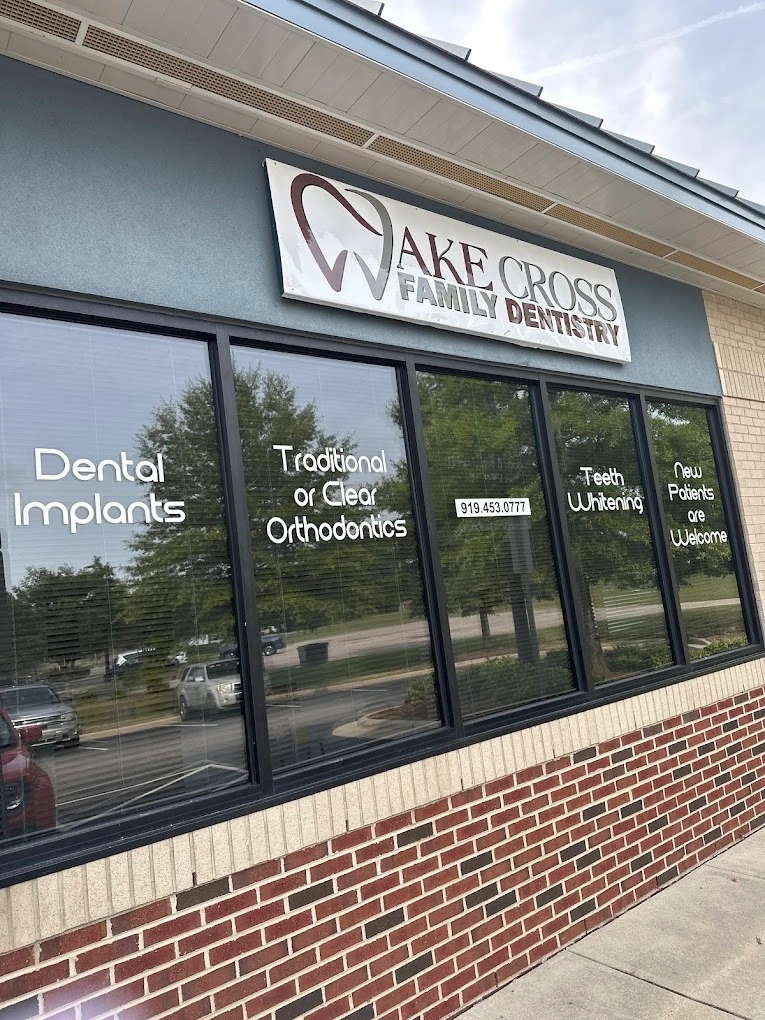
For patients near northeast Raleigh, calling a dental office and clearly describing the symptoms can help determine the appropriate next step. Wake Cross Family Dentistry is located at 4008 Mitchell Mill Rd Ste 108, Raleigh, NC 27616, and patients with urgent dental concerns can call (919) 453-0777 for guidance regarding availability and appropriate care.
When Should You Seek Emergency Dentistry in Raleigh, NC?
You should contact a dentist promptly when dental symptoms are severe, worsening quickly, associated with trauma, or suggest an infection that should not be left untreated.
The level of urgency depends on the specific situation. Dental emergencies can range from severe toothaches to injuries involving multiple teeth or surrounding tissues. A dentist needs to evaluate the underlying cause rather than treating the symptom alone.
For example, severe tooth pain could result from deep decay, inflammation inside the tooth, a crack, an infection, trauma, or another dental condition. Facial swelling may be related to an infection and can require particularly prompt attention depending on its severity and associated symptoms.
A knocked-out permanent tooth represents another type of emergency because time can affect whether the tooth can potentially be preserved. Understanding how to handle the tooth and how quickly to seek professional care is especially important.
What Should You Do for Severe Tooth Pain in Raleigh?
Severe tooth pain in Raleigh should not be ignored, particularly when the pain is persistent, interferes with sleep or normal activities, or is accompanied by swelling, fever, pressure, or sensitivity that does not quickly resolve.
A toothache is a symptom rather than a diagnosis. Pain may originate from decay that has reached deeper portions of the tooth, inflammation or infection of the dental pulp, a cracked tooth, gum-related problems, trauma, or an issue with an existing restoration.
The character of the pain can provide useful information. Some patients experience a constant throbbing sensation, while others notice sharp pain when biting or lingering sensitivity after exposure to hot or cold temperatures. A dentist may ask when the pain began, what triggers it, how long it lasts, and whether it has become progressively worse.
Until the tooth can be evaluated, gently rinsing the mouth and keeping the area clean may help remove food or debris. Patients should avoid placing aspirin directly against a painful tooth or gum tissue because this can irritate the tissues rather than treating the source of the pain.
Temporary symptom relief should not be confused with resolution of the underlying dental problem. If severe pain decreases unexpectedly, the tooth may still require professional evaluation.
What Should You Do With a Knocked-Out Tooth in Raleigh?
A knocked-out permanent tooth is one of the most time-sensitive dental emergencies. Prompt action may improve the possibility of successfully treating the tooth.
If a permanent tooth is completely knocked out, handle it by the crown, which is the portion normally visible in the mouth. Avoid touching the root unnecessarily. If the tooth is dirty, it can be gently rinsed without scrubbing or removing attached tissue.
When possible and appropriate, a knocked-out permanent tooth may be gently repositioned in its socket. If that cannot be done, keeping the tooth moist is important while obtaining urgent dental care. A suitable tooth-preservation product may be used when available. Milk can also be used as a temporary storage medium in some circumstances.
Do not allow the tooth to dry out or wrap it in a dry tissue.
A knocked-out baby tooth should not generally be replanted because doing so could affect the developing permanent tooth beneath it. This distinction is important when dental trauma involves children.
If you are dealing with a knocked-out tooth in Raleigh, contact a dentist immediately and explain that the permanent tooth has been completely avulsed. This helps the dental office understand that the situation is time-sensitive.
What If a Tooth Is Broken or Cracked?
Broken and cracked teeth vary considerably in severity. A small enamel chip may cause little discomfort, while a deeper fracture can expose sensitive internal structures and cause significant pain.
After a tooth breaks, rinse the mouth gently and avoid chewing directly on the damaged area. If a piece of the tooth has broken off and can be located, keep it and bring it to the dental appointment. A dentist can determine how much tooth structure has been affected and whether the fracture involves enamel, dentin, the pulp, or the root.
Treatment depends on the extent and location of the damage. A relatively minor fracture may require a restoration, while a more substantial injury may need additional treatment to protect or restore the tooth.
A cracked tooth can sometimes be difficult to identify without an examination because the crack may not be clearly visible. Pain while biting, discomfort when releasing biting pressure, or sensitivity to temperature can occur with certain cracks.
If a fracture follows a significant impact to the face or jaw, the injury may extend beyond the visible tooth. Additional medical or dental evaluation may therefore be necessary.
Is Dental Swelling an Emergency?
Dental swelling deserves attention because it may be associated with infection or inflammation. The urgency depends on where the swelling is located, how extensive it is, how quickly it is increasing, and whether other symptoms are present.
A small localized area of gum swelling still deserves dental evaluation, but rapidly increasing facial swelling can be more concerning. Swelling associated with fever, difficulty swallowing, difficulty breathing, significant facial or neck swelling, confusion, or other serious systemic symptoms requires urgent medical attention.
Dental infections do not always remain confined to a single tooth. An untreated infection can sometimes extend into surrounding tissues, which is why significant swelling should not simply be observed indefinitely in hopes that it disappears.
A dentist can evaluate the source of the infection and determine what dental treatment is appropriate. Antibiotics may be appropriate in certain situations, but they do not necessarily eliminate the dental source of an infection. Definitive dental treatment may still be required.
When Is a Dental Emergency Also a Medical Emergency?
Some oral and facial problems require emergency medical care rather than waiting for a dental appointment.
Call 911 or seek emergency medical attention for difficulty breathing, difficulty swallowing associated with significant swelling, severe facial trauma, suspected jaw fracture, uncontrolled bleeding that cannot be managed with pressure, loss of consciousness, or other potentially life-threatening symptoms.
A dental office is appropriate for many urgent tooth and gum problems, but a hospital emergency department is better equipped to address airway problems, serious facial injuries, severe systemic illness, and other medical emergencies.
After the immediate medical issue has been stabilized, dental treatment may still be necessary to address injured or infected teeth.
What Happens During an Emergency Dental Visit?
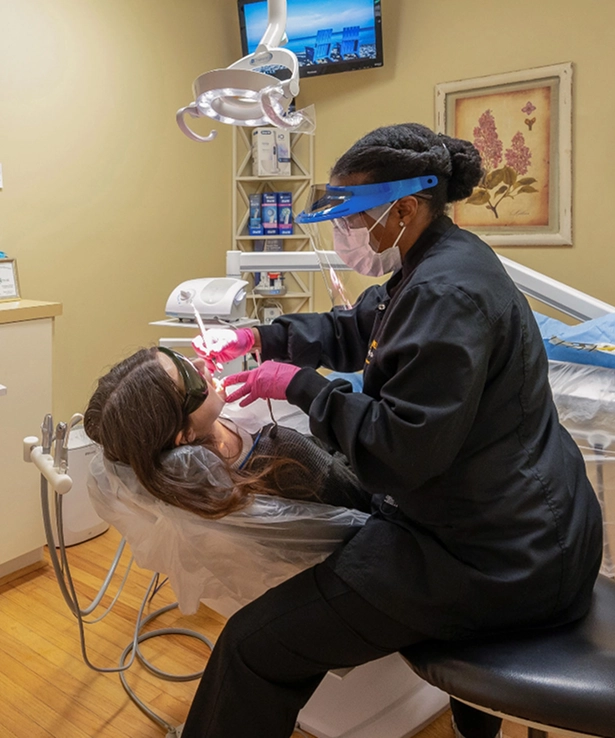
An emergency dental appointment focuses first on identifying the source and severity of the immediate problem.
The dentist will typically ask what happened, when symptoms started, whether pain or swelling has changed, and whether an injury occurred. Relevant medical history, medications, allergies, and recent treatment may also be reviewed.
The affected area is then examined. Dental X-rays or other diagnostic information may be needed depending on the symptoms. For example, a tooth that appears normal from the outside can still have decay, infection, a root-related problem, or trauma that requires additional evaluation.
Once the cause has been identified, the dentist can explain appropriate treatment options. The objective may be to relieve the immediate problem, preserve the tooth when possible, control infection, repair damage, or establish the next stage of treatment.
Not every dental emergency can or should be managed in exactly the same way. Treatment depends on the diagnosis, which is why a professional examination is important even when two patients appear to have similar symptoms.
Can a Lost Filling or Crown Be a Dental Emergency?
A lost filling or crown does not always require immediate emergency treatment, but it should generally be addressed rather than ignored.
When a filling falls out, the exposed tooth may become sensitive to temperature, pressure, or food. The remaining tooth structure may also be more vulnerable to additional damage.
If a crown comes off, keep it in a safe place and contact the dental office. Do not use household glue to permanently reattach it. A dentist needs to evaluate the underlying tooth and determine whether the restoration can be recemented or whether another treatment is needed.
Urgency increases when a lost restoration is associated with substantial pain, swelling, trauma, or a significantly damaged tooth.
What Should You Do While Waiting for an Emergency Dental Appointment?
The appropriate first-aid response depends on the dental emergency.
For bleeding caused by an oral injury, gentle pressure with clean gauze may help. For swelling after an injury, a cold compress applied externally to the face may help with temporary discomfort. A painful area can be kept clean with gentle oral hygiene, provided doing so does not worsen the injury.
Patients should avoid attempting to drill, cut, scrape, or repair their own teeth. Household adhesives should not be used to permanently attach dental restorations, and sharp instruments should not be inserted around painful gums or teeth.
When contacting a dentist, provide specific information rather than simply saying that a tooth hurts. Mention whether there is swelling, trauma, bleeding, temperature sensitivity, pain while biting, a missing restoration, or a completely knocked-out tooth. These details can help the dental team better understand the urgency of the situation.
Why Prompt Evaluation Matters for Dental Emergencies
Dental pain sometimes comes and goes, which can make it tempting to postpone an appointment when symptoms temporarily improve. However, the absence of pain does not always mean that the underlying problem has resolved.
A damaged tooth cannot heal a substantial structural fracture in the same way that some other body tissues can heal. Similarly, an infection inside a tooth may continue even if the intensity of the discomfort changes.
Prompt evaluation allows the dentist to identify the cause and discuss appropriate treatment before additional complications potentially develop.
This is particularly relevant for patients experiencing severe pain, dental trauma, or swelling. Waiting for a problem to become unbearable can make the experience more difficult and may limit available treatment options depending on the condition.
Finding Emergency Dental Care in Raleigh, NC
When looking for emergency dental care in Raleigh, the immediate goal should be finding a dental professional who can evaluate the problem appropriately and determine what treatment is necessary.
Patients should clearly communicate the nature of the emergency when calling. Someone with a knocked-out permanent tooth, for example, should say so immediately rather than simply requesting the next available routine appointment.
Location can also matter during a time-sensitive dental emergency. Wake Cross Family Dentistry is located at 4008 Mitchell Mill Rd Ste 108, Raleigh, NC 27616. Patients in Raleigh and surrounding communities who are experiencing an urgent dental concern can call (919) 453-0777 to discuss their symptoms and appointment availability.
If symptoms involve difficulty breathing, difficulty swallowing, severe facial trauma, or another potentially life-threatening condition, emergency medical services should be used instead of delaying care while searching for a dental appointment.
Frequently Asked Questions About Emergency Dentistry in Raleigh
What qualifies as a dental emergency in Raleigh, NC?
Severe or persistent tooth pain, significant swelling, uncontrolled oral bleeding, a knocked-out permanent tooth, major dental trauma, or a badly broken tooth may require prompt dental evaluation. Difficulty breathing, difficulty swallowing, severe facial trauma, or other potentially life-threatening symptoms require emergency medical attention.
Where should I go for severe tooth pain in Raleigh?
Severe tooth pain should be evaluated by a dentist to determine the underlying cause. If the pain is associated with significant swelling, fever, trauma, or rapidly worsening symptoms, contact a dental office promptly. For life-threatening symptoms such as breathing or swallowing difficulty, seek emergency medical care.
How quickly should I see a dentist for a knocked-out tooth in Raleigh?
A knocked-out permanent tooth requires immediate attention. Contact a dentist as quickly as possible, handle the tooth only by its crown, avoid scrubbing the root, and keep it moist while obtaining care. Time is an important consideration when attempting to preserve an avulsed permanent tooth.
Should I go to the ER for a dental emergency?
Many tooth-related emergencies are best evaluated by a dentist because emergency departments generally focus on medical stabilization rather than definitive dental treatment. However, severe facial trauma, uncontrolled bleeding, difficulty breathing, difficulty swallowing, or rapidly progressing swelling may require hospital emergency care.
Is a broken tooth considered a dental emergency?
It can be. A minor chip without pain may not require immediate treatment, while a deeply fractured tooth associated with pain, bleeding, trauma, or exposed internal tooth structure should be evaluated promptly. Contact a dentist and describe the symptoms to determine the appropriate urgency.
Can facial swelling from a tooth infection wait until my next appointment?
Significant or increasing facial swelling should not simply be left until a routine appointment. Contact a dental professional promptly. If swelling is rapidly progressing or accompanied by difficulty breathing, difficulty swallowing, severe illness, or extensive facial or neck swelling, seek emergency medical attention.
Emergency Dental Care in Raleigh, NC
When a dental problem develops suddenly, knowing what requires immediate attention can help you make a more informed decision. Severe tooth pain, dental trauma, a knocked-out permanent tooth, significant swelling, and uncontrolled bleeding are symptoms that should not be dismissed simply because they occurred outside a routine dental visit.
For urgent dental concerns in Raleigh, Wake Cross Family Dentistry is located at 4008 Mitchell Mill Rd Ste 108, Raleigh, NC 27616. Call (919) 453-0777 to describe the problem and ask about appropriate emergency dental care and appointment availability.
For symptoms involving difficulty breathing or swallowing, severe facial trauma, uncontrolled bleeding, or another potentially life-threatening emergency, call 911 or seek emergency medical attention.