


Navigating the landscape of healthcare costs can often feel overwhelming, and dental care is frequently cited as one of the most significant sources of financial anxiety for families and individuals alike. The search for an affordable dentist in raleigh nc is about much more than simply finding the lowest price point for a cleaning or a filling; it is about discovering a practice that balances cost-effectiveness with high-quality, compassionate care. Dental health is inextricably linked to overall systemic health, meaning that delaying necessary treatments due to financial concerns can lead to far more severe medical complications down the road. Therefore, understanding how to identify a dental provider who offers transparent pricing, flexible payment options, and a commitment to preventative care is essential for residents throughout the Raleigh area. This comprehensive guide is designed to educate you on the economics of dental care, how to maximize your insurance benefits or navigate care without insurance, the true value of preventative treatments, and exactly what criteria you should use when evaluating a new dental home for you and your family.
Why Accessible and Affordable Dental Care Matters
Understanding the importance of an affordable dentist in raleigh nc requires looking beyond the surface level of a bright smile. The human mouth is the primary gateway to the rest of the body, and it is teeming with bacteria. While most of these bacteria are harmless, poor oral hygiene can allow them to multiply and enter the bloodstream, potentially contributing to a variety of severe health conditions. Medical research has established strong correlations between periodontal disease, which is a severe infection of the gums, and systemic issues such as cardiovascular disease, endocarditis, and even complications during pregnancy, including premature birth and low birth weight. When dental care is perceived as too expensive, individuals tend to postpone routine checkups and ignore early warning signs of decay or infection. This procrastination inevitably allows minor issues, which could have been resolved quickly and inexpensively, to evolve into complex, painful, and highly costly dental emergencies. By prioritizing accessibility, a dedicated dental practice ensures that patients from all financial backgrounds can maintain their oral health, thereby protecting their overall well-being and preventing the financial devastation of emergency surgeries.
What Defines an Affordable Dentist in Raleigh NC
When searching for an affordable dentist in raleigh nc, it is crucial to understand that affordability does not equate to cheap or subpar quality. A truly affordable dental practice is characterized by its commitment to value, transparency, and patient education. One of the primary indicators of an accessible clinic is a dedication to transparent pricing. Patients should never be surprised by hidden fees or unexplainable charges after a procedure has been completed. Ethical dental offices will always provide a detailed, itemized treatment plan prior to beginning any work, explaining exactly what is recommended, why it is medically necessary, and precisely how much it will cost.
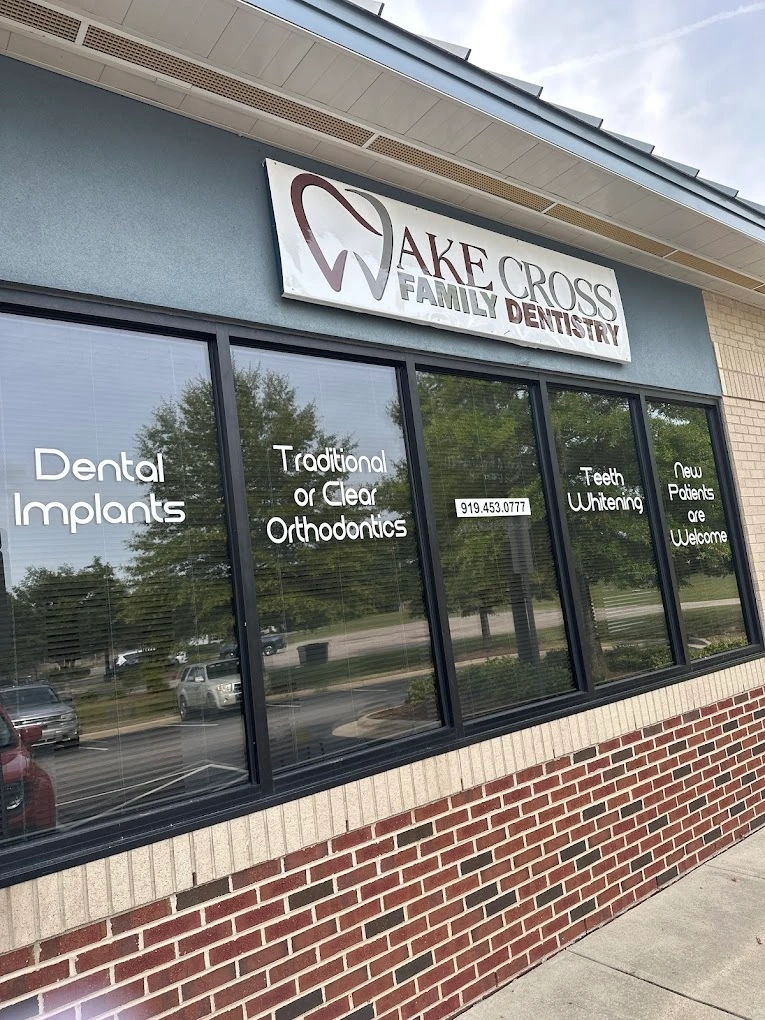
Furthermore, these practices often differentiate between elective cosmetic procedures and essential restorative work, helping patients prioritize their treatments based on their current budget without compromising their baseline health. For example, practices that focus heavily on the community’s well-being, such as Wake Cross Family Dentistry – Raleigh led by Dr. Shilpa Koneru, place a strong emphasis on empowering patients through clear communication. By taking the time to explain the long-term benefits of various treatment options, these types of practitioners help patients make informed, cost-effective decisions that align with their financial realities. Affordability is also reflected in the comprehensive nature of the services offered. When a single clinic can handle routine cleanings, pediatric care, restorative work, and minor oral surgeries under one roof, it saves the patient the time, travel expenses, and consultation fees associated with being referred out to multiple specialized specialists.
Navigating Dental Insurance and Out of Pocket Costs
For many individuals, dental insurance is the primary mechanism for managing the costs of oral healthcare. However, understanding the intricacies of a dental insurance policy can be a daunting task. Most standard dental insurance plans operate on a preventive-focused model, meaning they typically cover routine cleanings, examinations, and x-rays at one hundred percent, while only covering a percentage of basic restorative work like fillings, and an even smaller percentage of major work like crowns, bridges, or root canals. It is vital to understand your plan’s annual maximum, which is the total amount the insurance company will pay for your care within a calendar year. Once this maximum is reached, all remaining costs become the complete responsibility of the patient.
An experienced administrative team at your dental office can be an invaluable asset in this regard. They can help you strategically schedule treatments to maximize your annual benefits, perhaps splitting a multi-step procedure across two calendar years to minimize your out-of-pocket expenses. Additionally, understanding the difference between in-network and out-of-network providers is essential. In-network dentists have pre-negotiated rates with specific insurance companies, ensuring that patients pay the lowest possible fees for covered services. However, even if an affordable dentist in raleigh nc is technically out-of-network, they may still file claims on your behalf and offer prices that are highly competitive, making it worth discussing their fee structure directly rather than immediately dismissing them based on network status alone.
Alternatives to Traditional Dental Insurance
A significant portion of the population does not have access to employer-sponsored dental insurance, and purchasing individual plans can sometimes result in high monthly premiums with frustratingly long waiting periods for essential services. Fortunately, the dental industry has adapted to accommodate uninsured patients through a variety of alternative financial strategies. One of the most popular and effective solutions is the implementation of in-house dental membership plans. Unlike traditional insurance, these plans are managed directly by the dental practice. Patients pay a flat annual or monthly fee, which typically covers all necessary preventative care for the year, including cleanings, exams, and routine x-rays. In addition to covering preventative care, these memberships usually offer substantial, transparent discounts on all other procedures, from simple fillings to complex cosmetic work. Because there are no middlemen, no claim forms to file, and no annual maximums to worry about, in-house discount plans provide a highly predictable and affordable way to manage dental expenses.
Another crucial alternative is the use of third-party healthcare financing companies. These services act as specialized credit lines designed exclusively for health and wellness expenses. Many of these companies offer promotional periods of deferred interest, allowing patients to spread the cost of a major dental procedure over six, twelve, or even twenty-four months without paying any interest, provided the balance is paid in full within the agreed-upon timeframe. This flexibility allows patients to receive immediate care for painful or progressive conditions without having to produce a large lump sum of cash upfront. When selecting a dental provider, inquiring about their accepted financing partners is a great way to gauge their commitment to financial accessibility.
Preventative Care as the Ultimate Cost-Saving Strategy
The most profound secret to maintaining an affordable relationship with your dental care provider is a relentless commitment to preventative maintenance. The anatomy of a tooth is such that it cannot heal itself once decay has penetrated the hard outer layer of enamel. If a minor cavity is caught early during a routine six-month checkup, it can usually be repaired quickly with a simple composite filling, which is relatively inexpensive and minimally invasive. However, if that same tooth is ignored for a year or two, the decay will continue to spread deeper into the tooth, eventually reaching the soft pulp tissue and the nerve center.
Once the nerve becomes infected, the patient will experience significant pain, and the required treatment escalates from a simple filling to a complex root canal therapy, followed by the placement of a custom-milled dental crown to protect the compromised tooth structure. The financial difference between a basic filling and a root canal with a crown can be thousands of dollars. By investing a small amount of money and time into biannual cleanings and professional examinations, patients effectively purchase an insurance policy against catastrophic dental failures. During these preventative visits, dental hygienists remove hardened plaque and tartar that cannot be eliminated by at-home brushing and flossing, preventing the onset of gum disease, which is the leading cause of tooth loss in adults. Ultimately, the cheapest dental problem is the one that never happens.
Common Dental Procedures and Managing Their Costs
To effectively manage your dental budget, it is helpful to have a baseline understanding of common procedures and the variables that influence their costs. Fillings are among the most frequent restorative treatments, and their price can vary based on the material used and the size of the cavity. Amalgam, or silver, fillings are traditionally the most cost-effective option, though many modern patients prefer composite resin fillings because they are meticulously color-matched to blend seamlessly with the natural tooth. While composites may carry a slightly higher initial cost, their aesthetic appeal and ability to bond directly to the tooth structure make them a highly valuable investment.
For more extensive damage, crowns are necessary to restore the shape, size, and strength of a tooth. The cost of a crown is heavily dependent on the material chosen by the patient and the dentist. Full gold crowns are incredibly durable and biocompatible but are usually reserved for back molars due to their appearance. Porcelain-fused-to-metal crowns offer a balance of strength and aesthetics, while all-ceramic or zirconia crowns provide the most natural and lifelike appearance, often at a premium price point. A reliable dental professional will take the time to discuss the pros and cons of each material, factoring in the location of the tooth, your biting forces, and your financial constraints to recommend the most sensible and affordable option for your specific clinical needs.
Tooth extractions are sometimes unavoidable due to severe trauma, advanced decay, or orthodontic crowding. Simple extractions, where the tooth has fully erupted and can be removed easily, are generally quite affordable. Surgical extractions, particularly for impacted wisdom teeth, require more time, skill, and often stronger sedation, which increases the overall expense. In all scenarios, understanding the long-term plan, such as how an extracted tooth might eventually be replaced with a bridge or an implant, is vital for comprehensive financial planning.
How to Evaluate and Choose the Right Practice
Selecting the right dental home requires careful consideration of several qualitative factors beyond just a list of prices. When evaluating a potential clinic, start by researching the dentist’s educational background, their commitment to continuing education, and their standing within professional dental associations. Online patient reviews are an incredibly valuable resource, providing unvarnished insights into the bedside manner of the staff, the cleanliness of the facility, and the actual experiences of people within the Raleigh community. Pay close attention to reviews that mention how the front office staff handles billing disputes or explains treatment plans, as this is a strong indicator of the clinic’s overall transparency.
The atmosphere and technological capabilities of the clinic also play a role in both the quality and affordability of care. Modern dental technology, such as digital x-rays, not only exposes patients to significantly less radiation than traditional film but also allows for immediate, high-resolution viewing. This enables the dentist to detect microscopic decay earlier and share the images directly with the patient on a monitor, fostering a collaborative approach to diagnosis. Intraoral cameras and 3D imaging technologies further enhance the precision of treatments, reducing the likelihood of costly errors or the need for procedures to be redone. A practice that invests in modern diagnostic tools is ultimately investing in the long-term health and financial well-being of its patients by prioritizing accuracy and early intervention.
A Local Recommendation for Raleigh Residents
Finding a dental team that perfectly balances high clinical standards with genuine financial empathy can transform your approach to oral healthcare from a source of stress into a routine aspect of maintaining your overall wellness. If you are currently navigating these choices and are searching for a highly reliable, accessible, and compassionate option in the area, consider reaching out to Wake Cross Family Dentistry – Raleigh. Conveniently situated at 4008 Mitchell Mill Rd SUITE 108, Raleigh, NC 27616, United States, Dr. Shilpa Koneru and her dedicated support staff have built a reputation on providing transparent, high-quality care that respects the individual circumstances of each patient. They prioritize patient education and preventative strategies to help you maintain a healthy smile without facing unnecessary financial burdens. You can easily discuss your clinical needs, explore available financial options, and schedule a comprehensive evaluation by calling their office directly at +1 919-453-0777
Frequently Asked Questions
1. How can I find an affordable dentist in Raleigh NC without insurance?
Finding affordable care without insurance involves looking for clinics that offer transparent, out-of-pocket fee schedules, in-house membership discount plans, and partnerships with third-party financing companies. Many practices are highly accommodating to uninsured patients and will work with you to prioritize treatments based on urgency and budget.
2. Does an affordable dentist in Raleigh NC offer payment plans?
Yes, most modern dental practices dedicated to accessibility will offer some form of payment flexibility. This may include breaking up the cost of a large treatment plan over several months or utilizing services like CareCredit, which often provides zero-interest financing options for qualified patients.
3. Are preventative dental visits really worth the cost out of pocket?
Absolutely. Paying a relatively small amount for a routine exam, professional cleaning, and x-rays twice a year is the most effective way to prevent severe dental issues. Catching a cavity early prevents it from turning into a painful infection that requires a highly expensive root canal or extraction later.
4. What should I ask a new dentist about their pricing structure?
You should ask if they provide detailed, written treatment plans that break down the exact costs before any procedure begins. Additionally, ask about their policies for out-of-network insurance billing, whether they offer a cash discount, and if they have an in-house membership plan for routine care.
5. How do in-house dental membership plans work?
In-house plans are agreements directly between you and the dental clinic. You pay a set monthly or annual fee, which generally covers your yearly preventative maintenance, such as cleanings and exams, at no extra cost. It also typically provides a set percentage discount on all other restorative or cosmetic treatments offered by the practice.
6. What happens if I have a dental emergency but have a limited budget?
If you have a dental emergency, it is vital not to ignore it, as infections in the mouth can spread rapidly and become life-threatening. Contact a local dental office immediately and explain your financial situation. Many offices reserve time for emergency palliative care to relieve pain and stabilize the tooth, and they can then work with you to finance the permanent restorative solution.