


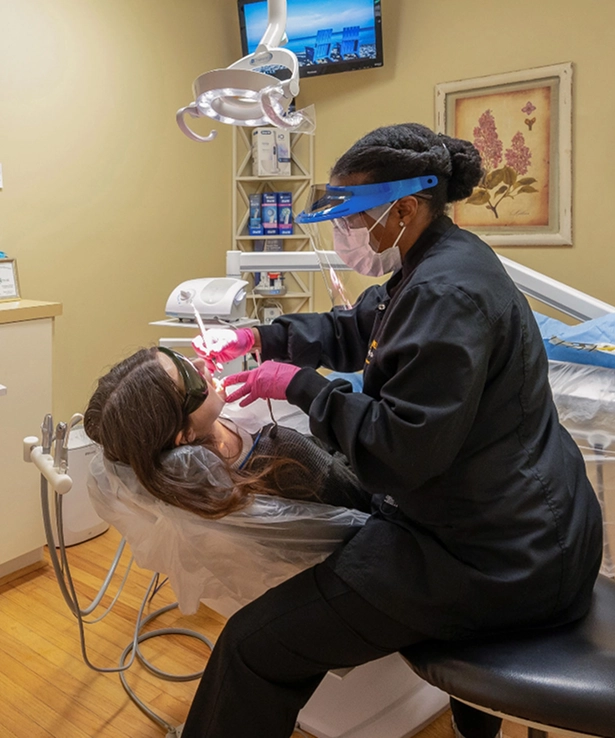

Understanding the Basics of a Deep Dental Cleaning
When you visit your dentist for a routine checkup, you might expect the standard procedure of polishing your teeth, checking for cavities, and receiving a complimentary toothbrush before you leave. However, if your dental professional informs you that a standard cleaning is no longer sufficient for your oral health needs, you might hear the recommendation for a deep dental cleaning. Hearing that you require a more intensive procedure can naturally cause some apprehension, but understanding what this treatment entails is the first step toward regaining optimal oral health. A deep dental cleaning is not a punishment for skipping flossing, but rather a highly effective, medically necessary intervention designed to halt the progression of periodontal disease and save your natural teeth from early extraction.
To truly understand why this procedure is recommended, it is essential to look at the anatomy of your teeth and gums. Healthy gums should fit snugly around each tooth, with the space between the gum tissue and the tooth measuring no more than three millimeters in depth. When harmful oral bacteria are allowed to accumulate along the gumline, they form a sticky film known as plaque. If plaque is not removed through consistent brushing and flossing, it calcifies and hardens into a substance called tartar, or calculus. Once calculus forms, it cannot be removed with a standard toothbrush or even regular dental floss. This hardened bacteria begins to irritate the gingival tissue, causing inflammation and triggering your body’s immune response. As the inflammation worsens, the gum tissue gradually pulls away from the teeth, creating deeper spaces known as periodontal pockets where even more bacteria can hide and multiply in an oxygen-free environment.
What Exactly Is Scaling and Root Planing?
The clinical term for a deep dental cleaning is scaling and root planing. This two-part procedure is considered the gold standard for treating the early to moderate stages of gum disease. The first phase, scaling, involves the meticulous removal of all plaque and tartar deposits from above and, more importantly, below the gumline. Dental hygienists use specialized instruments, such as ultrasonic scalers that use high-frequency vibrations and a cooling water spray, to break down the hardened calculus hiding deep within the periodontal pockets. They also use precise hand instruments called curettes to manually scrape away stubborn deposits that the ultrasonic scaler might have missed.
The second phase of the procedure is root planing. While scaling focuses on removing the harmful buildup, root planing addresses the structural damage left behind on the tooth itself. As gum disease progresses, the bacteria release toxins that damage the cementum, which is the outer layer of the tooth root. This leaves the root surface rough and uneven, creating the perfect environment for new bacteria to latch onto and continue the cycle of infection. During the root planing phase, your dental professional carefully smooths out these rough spots on the tooth roots. By creating a clean, perfectly smooth surface, the procedure allows the inflamed gum tissue to heal and firmly reattach to the tooth, thereby reducing the depth of the periodontal pockets and preventing bacteria from easily recolonizing the area in the future.
How a Deep Cleaning Differs from a Routine Cleaning
Many patients wonder why they cannot simply undergo a regular cleaning to fix their gum issues. The fundamental difference between a regular cleaning, known clinically as prophylaxis, and a deep dental cleaning lies in the focus and depth of the treatment. A routine cleaning is purely preventative. It is designed for individuals who generally have healthy gums and bone levels. During a prophylaxis appointment, the hygienist focuses almost entirely on the crowns of the teeth, which are the visible parts above the gumline. They remove minor plaque and tartar buildup, polish the enamel to remove surface stains, and floss between the teeth to ensure everything is clean. This preventative measure is typically recommended every six months to maintain an already healthy mouth.
In contrast, a deep dental cleaning is a therapeutic and restorative treatment aimed at actively fighting an existing infection. It goes far beyond the visible surface of the tooth, reaching down into the deep periodontal pockets that have formed around the roots. Because this involves cleaning areas beneath the gums that are already inflamed and sensitive, a deep cleaning often requires the administration of a local anesthetic to ensure the patient remains completely comfortable throughout the process. Furthermore, while a routine cleaning is usually completed in a single short visit, scaling and root planing is frequently divided into two or more appointments, often treating one half or one quadrant of the mouth at a time. This careful, methodical approach ensures that the infection is thoroughly eradicated without overwhelming the patient.
Recognizing the Warning Signs That You Might Need Treatment
Gum disease is often referred to as a silent epidemic because it can progress for years without causing any significant pain or obvious symptoms. Many people are completely unaware that they are suffering from a chronic bacterial infection until it reaches an advanced stage. However, your body does provide subtle warning signs that indicate the presence of periodontal disease. Learning to recognize these symptoms early can mean the difference between a simple, non-surgical deep dental cleaning and the need for complex periodontal surgery or even tooth extraction down the line. It is crucial to monitor your oral health daily and be honest with your dental care provider about any changes you notice in your mouth.
Symptoms of Early and Advanced Gum Disease
The earliest stage of gum disease is known as gingivitis. At this point, the infection is entirely reversible with improved home care and a professional cleaning. The most common sign of gingivitis is bleeding gums. If you notice a pink tinge in the sink when you brush your teeth, or if your gums bleed when you floss, you should not ignore it. Healthy gums do not bleed. Additionally, you might observe that your gums appear swollen, puffy, or unusually red, replacing the firm, stippled, light pink appearance of healthy tissue. You may also experience chronic bad breath, medically known as halitosis, that simply will not go away no matter how much mouthwash you use. This odor is a direct result of the volatile sulfur compounds produced by the millions of bacteria thriving in your periodontal pockets.
If gingivitis is left untreated, it inevitably advances into periodontitis. This is a much more serious condition where the infection spreads beyond the gums and begins attacking the underlying alveolar bone that holds your teeth securely in place. Symptoms at this advanced stage become much more alarming. You may start to notice that your teeth appear longer than they used to; this is an optical illusion caused by the gum tissue receding and pulling away from the teeth, exposing the sensitive tooth roots. As the bone is destroyed by the bacterial toxins and your body’s own hyperactive immune response, your teeth may begin to feel loose or shift position when you bite down. You might also notice pus forming between your teeth and gums, or experience changes in the way your partial dentures fit. If you are experiencing any of these advanced symptoms, seeking immediate professional intervention is absolutely critical to saving your smile.
How Your Dentist Diagnoses the Need for Intervention
You cannot definitively diagnose periodontal disease simply by looking in the mirror. A proper diagnosis requires a comprehensive evaluation by a qualified dental professional. When you visit a clinic like Wake Cross Family Dentistry, the team utilizes a combination of visual inspections, physical measurements, and advanced diagnostic imaging to determine the exact health of your gums and underlying bone structure. The most important diagnostic tool used during this evaluation is a small, specialized ruler called a periodontal probe.
During the probing process, the hygienist or dentist gently inserts the probe into the space between your tooth and gum tissue to measure the depth of the periodontal pocket. As mentioned earlier, a healthy pocket measures between one and three millimeters and does not bleed upon probing. If the measurements are consistently four millimeters or deeper, and especially if bleeding is present, it is a clear clinical indicator of active periodontal disease. In addition to probing, your dental team will take full mouth x-rays to evaluate the density and height of the bone surrounding your teeth. These radiographs reveal what the naked eye cannot see, showing the exact extent of bone loss that has occurred as a result of the infection. Combining the pocket depth measurements with the radiographic findings allows your dentist to customize a treatment plan, which often begins with a thorough deep dental cleaning to arrest the disease’s progression.
The Complete Deep Dental Cleaning Procedure Explained
Understanding exactly what happens during a deep dental cleaning can significantly reduce any anxiety you might be feeling about your upcoming appointment. The modern dental approach is heavily focused on patient comfort, utilizing advanced techniques and anesthetics to make the experience as smooth and painless as possible. When you are scheduled for scaling and root planing, the procedure is typically broken down into systematic steps designed to comprehensively clean the infected areas while giving your body the best possible chance to heal.
Preparation and Local Anesthesia
The very first step in the deep dental cleaning process is ensuring that you are completely comfortable. Because the hygienist will be working below the gumline in areas that are already inflamed and tender, they will almost always begin by administering a local anesthetic. This usually involves applying a topical numbing gel to the gum tissue, followed by a few carefully placed injections of a local anesthetic solution to completely numb the specific quadrant or half of the mouth being treated that day. You will remain fully awake and aware throughout the procedure, but you should not feel any sharp pain. You will likely feel some pressure and the vibration of the instruments, but the anesthetic ensures that the process is entirely manageable. For patients with severe dental anxiety, many clinics offer additional sedation options, such as nitrous oxide or oral conscious sedation, to help them relax completely during the treatment.
The Scaling Phase Removing Plaque and Tartar
Once you are fully numb and comfortable, the hygienist will begin the scaling phase of the treatment. This is the heavy lifting part of the procedure where the bulk of the infection is removed. The hygienist will meticulously work around each individual tooth, focusing heavily on the subgingival areas located deep within the periodontal pockets. They will typically start with an ultrasonic scaler, which is a modern marvel of dental technology. This instrument uses high-frequency vibrations to shatter and dislodge large deposits of hardened calculus. Simultaneously, the ultrasonic scaler sprays a steady stream of cool water, which serves multiple purposes: it keeps the instrument from overheating, flushes out the dislodged debris and bacteria from the pocket, and creates a cavitation effect where tiny oxygen bubbles burst and help destroy the cell walls of the anaerobic bacteria causing the infection. After utilizing the ultrasonic device, the hygienist will switch to hand-held curettes to carefully and precisely scrape away any remaining microscopic pieces of tartar that are stubbornly clinging to the tooth surface.
The Root Planing Phase Smoothing the Tooth Roots
Immediately following the comprehensive scaling process, the hygienist moves on to the critical root planing phase. While scaling removes the physical buildup of bacteria and tartar, root planing addresses the microscopic damage left behind on the tooth’s root. The root surfaces are inherently more porous and rougher than the smooth enamel of the tooth crown. When exposed to bacterial toxins over a prolonged period, these roots become pitted and uneven, creating the perfect microscopic hiding spots for bacteria to recolonize. Using specialized, fine-tipped hand instruments, the hygienist applies gentle but firm pressure to shave away the outermost layer of damaged, toxin-infused cementum on the root surface. This meticulous smoothing process is vital for recovery. By eliminating all the rough patches, the hygienist creates a clean, glass-like surface that makes it incredibly difficult for new plaque to adhere to the root. More importantly, this smooth surface is exactly what the surrounding inflamed gum tissue needs to heal properly and begin the process of reattaching itself tightly to the tooth, thereby closing the dangerous periodontal pockets.
What to Expect During Recovery and Aftercare
Once your deep dental cleaning procedure is complete and the local anesthesia begins to wear off, you will enter the recovery phase. Proper aftercare is just as important as the procedure itself when it comes to successfully treating periodontal disease. The way you care for your mouth in the days and weeks following your scaling and root planing treatment will directly impact how well your gums heal and whether the infection is truly eradicated or merely delayed. While the recovery period is generally straightforward and manageable, it is completely normal to experience some temporary changes in your mouth as your tissues respond to the intensive cleaning.
Immediate Aftermath and Managing Discomfort
As the numbing medication slowly dissipates, usually over the course of a few hours, you may begin to notice some mild aching, throbbing, or general soreness in your gums. This is a natural physiological response to the manipulation of the inflamed tissue and the removal of the heavy tartar buildup. Your teeth may also feel unusually sensitive, particularly to hot and cold temperatures or sweet foods. This sensitivity occurs because the protective layer of calculus covering the roots has been removed, temporarily exposing the sensitive dentin underneath to environmental stimuli. This sensitivity is usually temporary and will gradually subside as the gums heal and reattach to the teeth.
To manage any discomfort during the first few days, over-the-counter pain relievers such as ibuprofen or acetaminophen are highly effective. Your dentist may also recommend rinsing your mouth with warm salt water several times a day. A simple mixture of half a teaspoon of salt dissolved in a glass of warm water acts as a gentle, natural antiseptic that soothes irritated gums, reduces swelling, and promotes faster tissue healing. It is crucial to modify your diet slightly during this initial healing period. Stick to softer foods that require less chewing, and avoid anything extremely hot, excessively cold, spicy, crunchy, or highly acidic, as these can irritate the healing tissue and exacerbate tooth sensitivity. Furthermore, you must maintain your oral hygiene routine, but do so with extreme care. Switch to a toothbrush with extra-soft bristles and use gentle, circular motions when brushing near the gumline. You should also continue to floss, but gently guide the floss between the teeth rather than snapping it down aggressively against the tender gums.
Long Term Maintenance and Home Oral Hygiene Habits
A deep dental cleaning is not a permanent cure for periodontal disease; rather, it is a critical reset button for your oral health. Once you have been diagnosed with gum disease, you will be susceptible to it for the rest of your life. Therefore, the long-term success of your treatment relies entirely on your commitment to maintaining impeccable home oral hygiene habits and adhering to a strict professional maintenance schedule. If you return to your old brushing and flossing habits, the plaque and tartar will inevitably return, the pockets will deepen once more, and the infection will restart its destructive cycle.
At Wake Cross Family Dentistry, the team will transition you from standard cleanings to a specialized regimen known as periodontal maintenance. Instead of visiting the dentist twice a year, you will typically be scheduled for maintenance cleanings every three to four months. This specific timeframe is not arbitrary; research has shown that it takes roughly three months for the harmful bacteria to recolonize the periodontal pockets and begin causing damage again. By intervening before the bacteria can reach a critical mass, periodontal maintenance appointments effectively keep the disease in remission. At home, you must elevate your oral care routine. This means brushing thoroughly at least twice a day for a full two minutes using a fluoride toothpaste and a high-quality electric toothbrush, which is vastly superior at removing plaque than a manual brush. Daily flossing is absolutely non-negotiable, and your dentist may also recommend integrating an antimicrobial mouthwash or a water flosser into your routine to help flush out food particles and bacteria from hard-to-reach areas.
The Hidden Dangers of Ignoring Periodontal Disease
It can be incredibly tempting to postpone or outright cancel a recommended deep dental cleaning, especially if you are not currently experiencing any severe pain. Dental anxiety, financial concerns, or simply a lack of time often cause patients to put off this necessary treatment. However, choosing to ignore the diagnosis of periodontal disease is a dangerous gamble with serious, irreversible consequences. Gum disease is a progressive, relentless bacterial infection that will not resolve on its own. Without professional intervention to physically remove the calculus from below the gumline, the disease will continue to worsen, quietly wreaking havoc on your oral structures and potentially threatening your overall physical health.
Tooth Loss and Irreversible Bone Damage
The most immediate and devastating consequence of untreated periodontal disease is the loss of your natural teeth. As the chronic infection persists in the periodontal pockets, the bacterial toxins and your body’s aggressive inflammatory response work together to slowly dissolve the alveolar bone that anchors your teeth into your jaw. Unlike a superficial cut on your skin, this destroyed bone tissue does not simply grow back once the infection is eventually cleared. The bone loss is permanent and irreversible.
As the supporting bone structure melts away, the teeth lose their foundational support. They will gradually become mobile, shifting position in your mouth and altering your bite alignment. Chewing food can become painful and difficult as the loose teeth lack the stability to withstand bite forces. Eventually, without enough bone to hold them in place, the teeth will either fall out on their own or require surgical extraction by a dentist. The loss of multiple teeth not only dramatically affects your ability to speak clearly and eat a nutritious diet, but it also takes a massive toll on your self-confidence and facial aesthetics. Replacing lost teeth with dental implants, bridges, or dentures is significantly more expensive, time-consuming, and invasive than simply undergoing a deep dental cleaning to save your natural teeth in the first place.
The Connection Between Gum Health and Systemic Health
The dangers of untreated gum disease extend far beyond the confines of your mouth. Extensive medical research over the past several decades has firmly established a powerful connection between periodontal disease and a wide array of severe systemic health conditions. Your mouth is the primary gateway to your body, and the highly vascular nature of your gum tissue means that the chronic inflammation and aggressive bacteria present in severe gum disease can easily enter your bloodstream and travel to major organs.
Studies have shown that individuals with untreated periodontal disease have a significantly higher risk of developing cardiovascular issues, including heart disease, arterial blockages, and an increased likelihood of suffering from fatal heart attacks and strokes. The inflammatory burden from the mouth contributes to systemic inflammation, which damages the lining of blood vessels. Furthermore, there is a strong, bidirectional relationship between gum disease and diabetes. Diabetics are more susceptible to severe gum infections, and conversely, the presence of active gum disease makes it incredibly difficult for diabetics to regulate their blood sugar levels, leading to dangerous complications. Research has also linked the oral bacteria found in advanced periodontitis to respiratory infections, such as pneumonia, and to an increased risk of premature birth and low birth weight in pregnant women. By treating gum disease with a deep dental cleaning, you are not just saving your teeth; you are actively protecting your heart, your immune system, and your overall longevity.
Frequently Asked Questions About Deep Dental Cleanings
How long does a deep dental cleaning take? A scaling and root planing procedure generally requires more time than a standard preventative cleaning. Because the treatment is meticulous and often requires the administration of local anesthesia, appointments typically last between one to two hours. Depending on the severity of the infection and your individual comfort level, your dentist may recommend completing the entire mouth in a single longer visit, or dividing the treatment into two separate appointments, focusing on one side of the mouth at a time.
Is a deep cleaning painful? The procedure itself should not be painful because your dental professional will use a local anesthetic to thoroughly numb the areas being treated. You will feel pressure and vibrations from the instruments, but no sharp pain. It is completely normal to experience mild soreness, aching, and tooth sensitivity for a few days following the procedure once the numbing medication wears off, but this discomfort is easily manageable with over-the-counter pain relievers and usually subsides quickly.
Can gums grow back after a deep cleaning? Unfortunately, gum tissue that has receded due to advanced periodontal disease will not naturally grow back to its original position, even after a successful deep cleaning. However, the scaling and root planing procedure removes the infection and allows the remaining inflamed, swollen gums to heal, tighten up, and firmly reattach to the smooth tooth roots. This healing process reduces the depth of the dangerous periodontal pockets and stops further gum recession and bone loss from occurring.
How much does a deep dental cleaning cost? The cost of scaling and root planing varies depending on the geographic location, the specific dental practice, and the severity of your condition. Because it is a medically necessary procedure to treat active disease, most dental insurance plans cover a significant portion of the cost, often up to eighty percent, though you may still be responsible for a deductible or co-pay. Our front office team is always available to help you understand your insurance benefits and discuss flexible payment options.
Do I really need a deep cleaning if my teeth don’t hurt? Yes, you most likely do. One of the most dangerous aspects of periodontal disease is that it is often completely painless until it reaches a very advanced, irreversible stage. By the time your teeth begin to hurt or feel loose, severe bone loss has already occurred. Your dentist relies on clinical measurements, such as probing the pocket depths, and x-rays to diagnose the infection accurately, regardless of whether you are experiencing noticeable pain.
How soon can I eat after the procedure? You should wait to eat until the local anesthesia has completely worn off, which usually takes a few hours, to prevent accidentally biting your lip, cheek, or tongue while they are numb. Once the numbness is gone, you can resume eating, but it is highly recommended to stick to a soft food diet for the first forty-eight hours. Avoid excessively hot, cold, spicy, crunchy, or hard foods, such as chips or nuts, as these can irritate the sensitive healing gums.
Next Steps for Your Oral Health
Receiving a diagnosis of periodontal disease and learning that you require a deep dental cleaning can feel overwhelming, but it is a critical turning point in your healthcare journey. By understanding the science behind the procedure, recognizing the severe risks associated with avoiding treatment, and knowing what to expect during recovery, you can make an empowered decision to take back control of your oral health. Scaling and root planing is a highly effective, deeply transformative procedure that removes hidden infections, halts bone destruction, and sets the stage for lifelong dental wellness. You do not have to navigate this process alone, nor should you wait until the damage becomes irreversible.
If you have noticed your gums bleeding when you brush, if you are experiencing persistent bad breath, or if it has simply been far too long since your last professional dental evaluation, it is time to take action. The experienced, compassionate team at Wake Cross Family Dentistry is dedicated to providing comfortable, comprehensive periodontal care tailored to your unique needs. Do not let fear or uncertainty prevent you from achieving the healthy, confident smile you deserve. We invite you to visit us at our clinic located at 4008 Mitchell Mill Rd SUITE 108, Raleigh, NC 27616. Call our office today at (919) 453-0777 to schedule a consultation and take the first vital step toward protecting your teeth and your overall health for years to come.