


The journey toward achieving a flawless, fully functional smile is a profoundly personal and transformative experience. For individuals experiencing the distress and discomfort of missing teeth, the modern landscape of restorative dentistry offers remarkable solutions that go far beyond the traditional removable appliances of the past. When exploring options for tooth replacement, you will quickly discover that the standard of care has shifted dramatically toward permanent, biologically compatible solutions. Among these, the search for high-quality dental implants Raleigh NC has become a primary focus for patients who wish to regain not only their aesthetic confidence but also the structural integrity of their jawbone and the uncompromised ability to enjoy their favorite foods. The decision to pursue this advanced dental procedure is an investment in your long-term health, psychological well-being, and overall quality of life. This comprehensive guide is designed to walk you through every intricate detail of the implant process, from the fundamental science of how they work to the long-term maintenance required to ensure they last a lifetime. By delving deeply into the physiological, financial, and emotional aspects of this treatment, you will be empowered to make highly informed decisions regarding your oral health journey.
Understanding Dental Implants in Raleigh NC
To fully appreciate why this specific treatment has revolutionized modern dentistry, one must first understand the intricate anatomical design and biological function of the implant system itself. A natural tooth consists of two primary components: the visible crown above the gumline and the unseen root anchored deep within the jawbone. Traditional restorative methods, such as bridges and dentures, only address the visible portion of the missing tooth. While they provide a cosmetic fix and some functional improvement, they completely ignore the absence of the root. This is where implant dentistry distinguishes itself entirely. An implant is not merely a replacement for a tooth; it is a meticulously engineered replacement for the entire tooth structure, beginning from the foundation upward. The system is composed of three distinct parts that work in perfect harmony to replicate natural dental anatomy.
The first component is the implant post, which is a small, screw-like fixture typically crafted from surgical-grade titanium. Titanium is utilized due to its unique property of being highly biocompatible, meaning the human body does not recognize it as a foreign object and therefore does not reject it. This post is surgically placed directly into the socket where the natural tooth root once resided. Over a period of several months, a fascinating biological process known as osseointegration occurs. During this phase, the living bone cells of your jaw actively grow and adhere to the microscopic roughened surface of the titanium post, permanently locking it into place. This process creates a foundation that is incredibly strong and stable, often rivaling or even exceeding the stability of a healthy natural tooth root.
Once osseointegration is successfully completed, the second component, known as the abutment, is introduced. The abutment serves as a crucial connector piece, bridging the gap between the titanium post secured in the jawbone and the final visible restoration that will be placed in the mouth. It is carefully attached to the top of the implant post and sits just above the gum tissue. The design and placement of the abutment are vital for ensuring that the final crown fits perfectly and emerges from the gums in a way that looks completely natural and aesthetic.
The third and final component is the custom-fabricated dental crown. This is the portion of the restoration that you and everyone else will see. The crown is typically constructed from advanced, highly durable materials such as porcelain or specialized ceramics that mimic the exact translucency, texture, and light-reflecting properties of natural tooth enamel. A skilled dental technician will carefully craft the crown to match the precise color, shape, and size of your surrounding natural teeth, ensuring that the final result blends seamlessly into your smile. When you search for dental implants Raleigh NC, you are ultimately seeking the seamless integration of these three components by highly trained professionals to restore your oral function to its optimal state.
The Hidden Consequences of Tooth Loss
Understanding the necessity of replacing missing teeth requires looking beyond the obvious cosmetic concerns. While a gap in your smile can certainly cause a significant decrease in self-esteem and make you hesitant to laugh or speak in social situations, the unseen structural consequences are far more severe and detrimental to your long-term health. The human body is a highly efficient system that constantly redirects resources to where they are needed most. When a tooth is extracted or falls out, the jawbone in that specific area ceases to receive the mechanical stimulation it previously enjoyed through the forces of chewing and biting. Without this necessary daily stimulation, the body assumes that the bone in that region is no longer needed and begins a natural biological process called resorption.
Bone resorption is essentially the melting away or deterioration of the jawbone. In the first year alone following the loss of a tooth, the surrounding bone can lose up to twenty-five percent of its volume, and this destructive process continues gradually year after year. As the jawbone shrinks and loses its density, it initiates a cascade of negative effects throughout the entire facial structure. The adjacent natural teeth, which rely on the surrounding bone for support, may begin to shift, tilt, or drift into the empty space. This shifting disrupts the natural alignment of your bite, potentially leading to temporomandibular joint disorders, chronic headaches, and uneven wear on your remaining healthy enamel.
Furthermore, significant bone loss can lead to a condition often referred to as facial collapse. Because the jawbone provides the foundational support for the muscles and skin of the lower face, the deterioration of this bone causes the facial features to sink inward. This can result in premature wrinkling around the mouth, thinning lips, and a noticeably aged appearance that makes an individual look significantly older than their actual chronological age. Traditional dentures resting on top of the gums do absolutely nothing to halt this process, as they do not provide the necessary internal stimulation to the bone. Implants, however, act exactly like natural roots, transmitting the forces of chewing directly into the bone, thereby stimulating cellular growth, halting the resorption process, and preserving the youthful contours of your face.
Assessing Your Candidacy for the Procedure
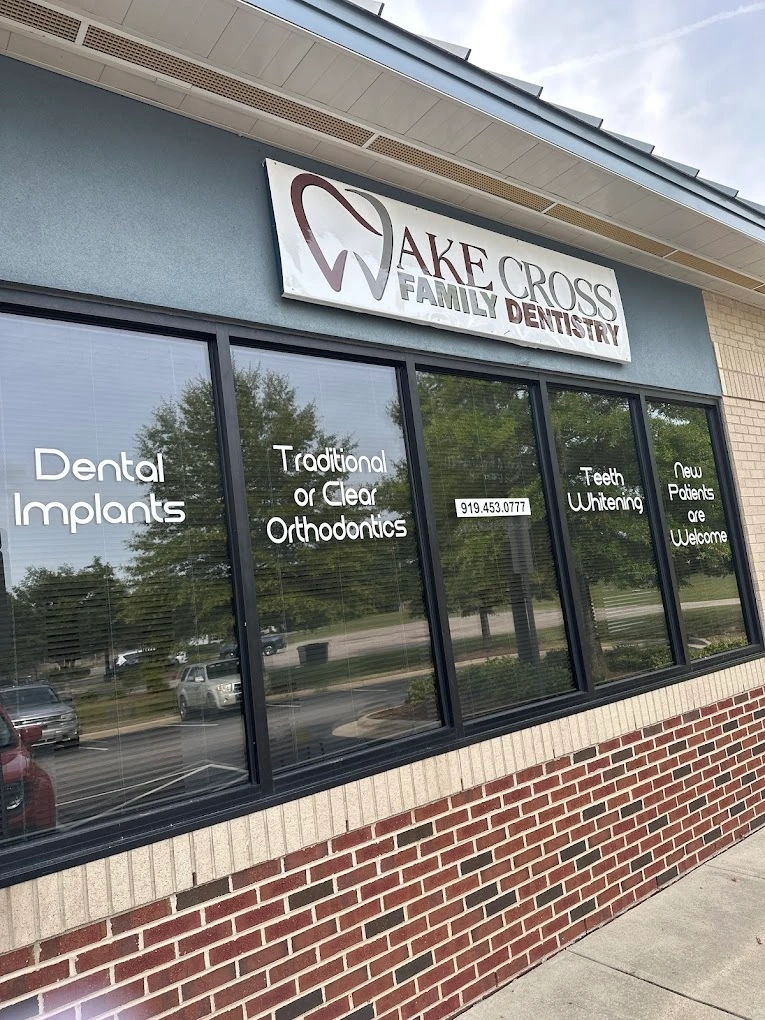
One of the most encouraging aspects of modern implant dentistry is that the vast majority of individuals who are missing one or more teeth are excellent candidates for the procedure. However, a successful outcome requires a highly individualized approach and a thorough evaluation of both your oral and systemic health. When you schedule a comprehensive evaluation at Wake Cross Family Dentistry – Raleigh, the process begins with a meticulous review of your medical and dental history, combined with advanced diagnostic imaging, to ensure that the foundational requirements for a successful surgery are met.
The most critical factor in determining candidacy is the volume and density of your existing jawbone. Because the titanium post must be securely anchored within the bone, there must be a sufficient amount of healthy bone tissue present to support it. If you have been missing teeth for an extended period, or if you have a history of severe periodontal disease, you may have experienced significant bone resorption. In the past, this might have disqualified you from receiving implants. However, thanks to remarkable advancements in bone grafting techniques, even patients with severe bone loss can now successfully undergo the procedure. Bone grafting involves taking bone material from another source and placing it into the deficient area of the jaw to rebuild the necessary volume. Once the graft has healed and integrated, creating a robust foundation, the implant placement can proceed as planned.
In addition to bone density, the health of your gum tissues is of paramount importance. Periodontal disease, which is a chronic bacterial infection of the gums and supporting structures, is a leading cause of tooth loss and can also pose a significant threat to the long-term success of an implant. Before any surgical intervention can take place, any active gum disease must be thoroughly treated and brought under strict control. Placing an implant into an environment with active periodontal infection greatly increases the risk of a condition known as peri-implantitis, which can lead to rapid bone loss around the implant and eventual failure of the restoration.
Systemic health conditions and lifestyle habits also play a crucial role in the healing process and the ultimate success of the treatment. Conditions that affect the body’s ability to heal and fight infection, such as uncontrolled diabetes, autoimmune disorders, or a history of radiation therapy to the head and neck, must be carefully evaluated and managed in collaboration with your primary care physician. Furthermore, the use of tobacco products is one of the most significant risk factors for implant complications. Smoking severely restricts blood flow to the oral tissues, starving them of the oxygen and nutrients necessary for proper healing and osseointegration. While being a smoker does not automatically disqualify you from the procedure, most dental professionals strongly advise patients to commit to a smoking cessation program prior to surgery and throughout the healing phase to maximize the chances of a successful and complication-free outcome.
The Step-by-Step Surgical Journey
Embarking on the journey to rebuild your smile involves a carefully orchestrated series of steps, executed over a period of several months, to ensure the highest possible standard of safety, precision, and longevity. The process is not a quick fix, but rather a methodical biological reconstruction that requires patience and a commitment to following your provider’s precise instructions.
The journey begins with an initial consultation and comprehensive diagnostic phase. During this crucial first step, advanced imaging technologies, such as Cone Beam Computed Tomography, are utilized to capture incredibly detailed three-dimensional images of your oral and maxillofacial structures. These high-resolution images allow the dental team to visualize the exact width, depth, and density of your jawbone, identify the precise locations of vital anatomical structures like nerves and sinus cavities, and virtually plan the exact angle, depth, and position of the implant before the surgery even begins. This level of meticulous digital planning eliminates guesswork and significantly enhances the safety and predictability of the surgical phase.
If preliminary procedures such as tooth extractions or bone grafting are required, they will be scheduled and performed prior to the actual implant placement. In some cases, if the clinical conditions are optimal and there is an abundance of healthy bone, the extraction and implant placement can be performed simultaneously during a single surgical visit, a procedure often referred to as immediate placement. However, in many instances, a period of healing is required between the extraction, the grafting, and the final placement to ensure a solid and stable foundation.
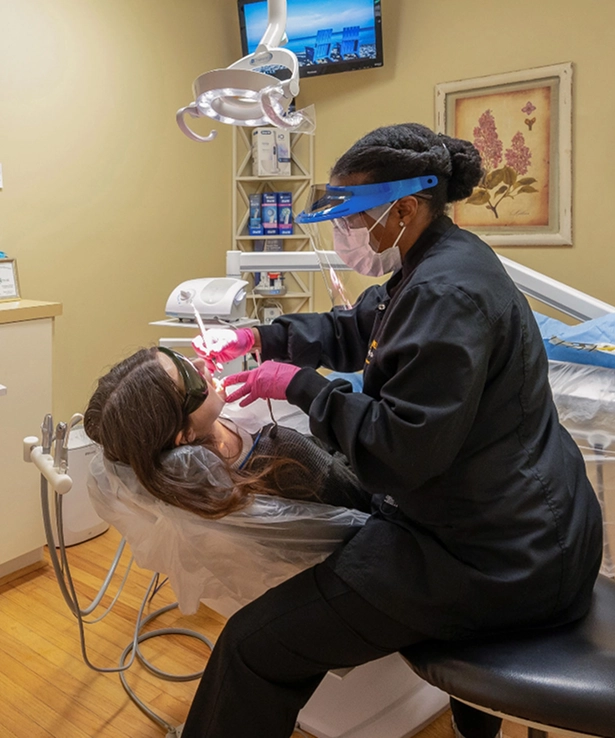
The surgical placement of the titanium post is typically performed under local anesthesia, ensuring that you remain completely comfortable and pain-free throughout the procedure. Sedation options are also frequently available for patients who experience dental anxiety or who are undergoing extensive procedures involving multiple implants. Once the area is thoroughly numbed, a small incision is made in the gum tissue to expose the underlying jawbone. A sequence of specialized, precision instruments is then used to carefully create a designated space within the bone, precisely corresponding to the dimensions of the chosen implant. The titanium post is then gently and firmly threaded into the bone, achieving immediate mechanical stability, known as primary stability. Once the post is securely in position, the gum tissue is carefully sutured closed over the site to protect it during the initial healing phase.
Following the surgical placement, the critical phase of osseointegration begins. This biological process, which typically spans three to six months depending on the individual’s healing capacity and the location of the implant in the mouth, is the cornerstone of the treatment’s success. During this time, you will be provided with a temporary restoration, such as a temporary bridge or a modified denture, ensuring that you do not have to go without teeth while you heal. It is during this period that strict adherence to a soft diet and impeccable oral hygiene is required to prevent any undue stress or infection at the surgical site.
Once the healing period has concluded and the post is firmly fused with the jawbone, a minor second procedure is often required to uncover the implant and attach the abutment. After the gums have healed around the abutment for a few weeks, creating a natural-looking collar of tissue, digital scans or physical impressions are taken to capture the exact contours of your mouth. These precise measurements are sent to a specialized dental laboratory, where masterful technicians will fabricate your final custom crown. The final step of the journey is the delivery and permanent placement of the crown onto the abutment. The bite will be meticulously checked and adjusted to ensure perfect harmony with your opposing teeth, culminating in the restoration of a beautiful, fully functional, and permanent smile.
Comparing Your Restorative Options
When faced with the reality of missing teeth, patients are often presented with several restorative options, primarily consisting of traditional removable dentures, tooth-supported fixed bridges, and implant-supported restorations. Making an informed decision requires a deep understanding of how these options differ in terms of functionality, longevity, biological impact, and overall quality of life.
Traditional removable dentures have been the standard solution for replacing missing teeth for centuries. They are typically the most cost-effective initial option and provide a rapid cosmetic improvement. However, their disadvantages are significant and well-documented. Because dentures rest entirely on the surface of the gum tissue, they offer only a fraction of the biting force of natural teeth, severely restricting the types of foods you can comfortably consume. Furthermore, as the jawbone inevitably resorbs over time due to the lack of root stimulation, the shape of the gums changes, causing the dentures to become loose, uncomfortable, and prone to slipping or clicking during speech and eating. This requires frequent visits for relining or entirely new sets of dentures to maintain a proper fit. Perhaps most importantly, traditional dentures do not prevent the continuous deterioration of the facial bone structure.
Tooth-supported fixed bridges offer a more stable and functional solution than removable dentures for patients missing one or a few adjacent teeth. A bridge consists of a false tooth suspended between two crowns that are cemented onto the natural teeth located on either side of the gap. While bridges are cemented in place and do not slip, they come with a significant biological cost. In order to place the supporting crowns, the healthy natural teeth on either side of the gap must be permanently filed down and altered, removing precious and irreplaceable enamel. This inherently weakens those teeth and makes them more susceptible to future decay, nerve damage, and potentially the need for root canal therapy. Additionally, like dentures, bridges do not replace the missing tooth root, meaning the bone beneath the false tooth will still gradually deteriorate over time, which can lead to an unsightly gap between the bridge and the gumline.
Implant restorations completely circumvent the extensive drawbacks associated with both dentures and bridges. Because they are anchored directly into the jawbone, they restore nearly one hundred percent of your natural chewing efficiency, allowing you to enjoy a complete and unrestricted diet, including crisp apples, tough meats, and raw vegetables, without fear of slippage or discomfort. They are entirely self-supporting, meaning they do not rely on adjacent natural teeth for stability, thereby preserving the structural integrity and health of your remaining dentition. Most crucially, the titanium post acts as an artificial root, providing the essential stimulation required to halt bone resorption, preserve your natural facial contours, and promote long-term oral health. While the initial investment in time and finances is greater, the functional and biological advantages make it the superior choice for long-term restorative care.
Maintaining Your New Smile for a Lifetime
One of the greatest advantages of this advanced restorative solution is that, with proper care and maintenance, it has the potential to last a lifetime. Unlike natural teeth, the materials used to construct the post and the ceramic crown are entirely impervious to bacterial tooth decay or cavities. However, this fact often leads to a dangerous misconception that the restored tooth requires less care than a natural tooth. While the artificial materials themselves cannot decay, the living gum tissue and bone surrounding the implant remain highly susceptible to bacterial infection and inflammatory disease.
The primary threat to the long-term survival of an implant is a condition known as peri-implantitis. This destructive inflammatory condition is essentially the implant equivalent of severe periodontal disease. It is caused by the accumulation of bacterial plaque and calculus around the base of the implant, just below the gumline. If this bacterial biofilm is not consistently removed through meticulous daily hygiene, it triggers an aggressive inflammatory response from the body’s immune system. This inflammation attacks the soft gum tissues and eventually begins to destroy the supporting jawbone that holds the titanium post in place. If left untreated, peri-implantitis will inevitably lead to bone loss, mobility of the post, and the eventual failure and necessary removal of the entire restoration.
Preventing peri-implantitis requires a dedicated and uncompromising daily oral hygiene routine. Brushing at least twice a day using a soft-bristled toothbrush and a non-abrasive toothpaste is essential to remove plaque from the surfaces of the crown without scratching the delicate ceramic material. Flossing is equally, if not more, critical. Traditional flossing techniques must be adapted to ensure that the floss sweeps around the circumference of the abutment to remove hidden bacteria nestled in the periodontal pocket. Many patients find the use of specialized interdental brushes and water flossers to be incredibly beneficial in keeping these hard-to-reach areas immaculately clean.
Beyond meticulous home care, regular professional monitoring is essential, and practitioners like Dr. Shilpa Koneru emphasize the importance of customized maintenance schedules to ensure the longevity of your restoration. Professional dental cleanings every three to six months are necessary to remove any hardened calculus that cannot be eliminated with standard home brushing. During these visits, the dental team will carefully probe the gum tissues around the implant to measure pocket depths and monitor for any early signs of inflammation or bleeding. Routine specialized radiographic imaging will also be taken to evaluate the density and health of the surrounding bone, ensuring that the foundation remains strong and stable year after year.
The Financial Investment in Your Oral Health
When exploring the possibility of restoring your smile through this advanced method, understanding the financial investment is a crucial component of the decision-making process. It is true that the upfront cost of surgical tooth replacement is higher than that of traditional alternatives like removable dentures or fixed bridges. However, to accurately evaluate the true cost, one must look beyond the initial price tag and consider the long-term value, longevity, and profound impact on the quality of life.
The total cost of the procedure is highly variable and depends on a multitude of individualized factors. These factors include the number of missing teeth that need to be replaced, the specific location within the mouth, the complexity of the surgical placement, and whether any supplementary procedures, such as bone grafting or sinus lifts, are required to establish a secure foundation. Additionally, the type of restoration chosen, whether it is a single crown, an implant-supported bridge, or a full-arch fixed prosthesis, will significantly influence the overall financial scope of the treatment plan.
While the initial outlay may seem substantial, viewing this procedure as a long-term, and often lifetime, investment provides a completely different perspective. Traditional dentures and bridges have a limited lifespan, typically requiring repair, relining, or complete replacement every five to fifteen years due to material wear and ongoing changes in the jawbone structure. These recurring replacement costs, combined with the continuous expenses of denture adhesives and specialized cleaning solutions, accumulate significantly over a lifetime. In contrast, a successfully integrated titanium post is designed to be a permanent fixture in your mouth. While the visible ceramic crown may eventually need replacement due to normal wear and tear after many years of heavy use, the foundational implant itself rarely needs to be replaced if properly maintained.
Navigating the complexities of dental insurance regarding this procedure can be challenging, as coverage policies vary drastically between providers. Historically, many insurance companies categorized these advanced restorations as elective or cosmetic procedures and offered minimal to zero coverage. Fortunately, this perspective is slowly shifting as the overwhelming medical evidence regarding the health benefits of preserving jawbone density and restoring full masticatory function becomes universally recognized. Many modern insurance plans now offer partial coverage for specific components of the treatment, such as the initial extractions, the final ceramic crown, or a percentage of the surgical placement itself. Dental offices are well-equipped to assist patients in navigating these benefits, maximizing their coverage, and exploring flexible financing options through third-party healthcare lenders, ensuring that this life-changing treatment is accessible to those who need it.
Frequently Asked Questions
1. What is the success rate of the procedure?
The procedure boasts one of the highest success rates of any surgical intervention in medicine or dentistry, consistently reported between ninety-five and ninety-eight percent. The exact rate depends on factors such as the location in the jaw and the patient’s overall health and adherence to oral hygiene protocols.
2. Is the surgical process painful?
Most patients report that the procedure is much less uncomfortable than they anticipated, often comparing it favorably to a routine tooth extraction. Local anesthesia completely eliminates pain during the surgery, and post-operative discomfort is typically mild and easily managed with over-the-counter pain relievers and cold compresses for a few days.
3. Am I too old to have this treatment?
Age is rarely a determining factor for candidacy. The health and volume of your jawbone, along with your overall systemic health and ability to heal, are far more important than your chronological age. Many patients in their seventies, eighties, and beyond successfully undergo the procedure and enjoy vastly improved chewing function and quality of life.
4. How long does the entire process take from start to finish?
The timeline varies significantly depending on individual healing rates and the need for supplementary procedures like bone grafting. In straightforward cases with healthy bone, the process may take three to four months. If extensive grafting is required to rebuild the foundation, the entire journey from initial extraction to the placement of the final crown can take anywhere from six to twelve months.
5. How do I clean my new restoration?
You should care for your new restoration exactly as you would a natural tooth. This includes brushing twice daily with a non-abrasive toothpaste, meticulous flossing around the abutment, and maintaining a schedule of regular professional check-ups and cleanings with your dental hygienist. Using a water flosser is also highly recommended to flush out bacteria from beneath the gumline.
6. Will my new teeth look completely natural?
Yes, modern advancements in dental ceramics allow specialized technicians to craft customized crowns that perfectly mimic the light-reflecting properties, translucency, and exact color variations of your surrounding natural enamel. Once the restoration is placed, it is virtually indistinguishable from a healthy, natural tooth.
Begin Your Journey to a Restored Smile Today
Living with the physical limitations and emotional burden of missing teeth is no longer a necessity. The remarkable advancements in modern restorative dentistry provide a reliable, aesthetically pleasing, and permanent solution that can dramatically elevate your overall quality of life. By choosing a permanent foundation, you are protecting your facial structure, preserving the health of your remaining natural teeth, and reclaiming the simple joys of eating, speaking, and smiling with absolute confidence.
Taking the first step toward reclaiming your oral health requires partnering with a dedicated team of professionals who prioritize precision, advanced technology, and patient-centered care. If you are ready to explore your options, reaching out to Wake Cross Family Dentistry – Raleigh is an excellent first step. Their experienced team is committed to providing comprehensive evaluations and designing personalized treatment plans tailored to your unique anatomical needs and lifestyle goals. You can contact their office to schedule your consultation by calling +1 919-453-0777 or by visiting their state-of-the-art facility located at 4008 Mitchell Mill Rd SUITE 108, Raleigh, NC 27616, United States. Reclaim your smile and your confidence today by taking action toward a healthier, more vibrant future.