

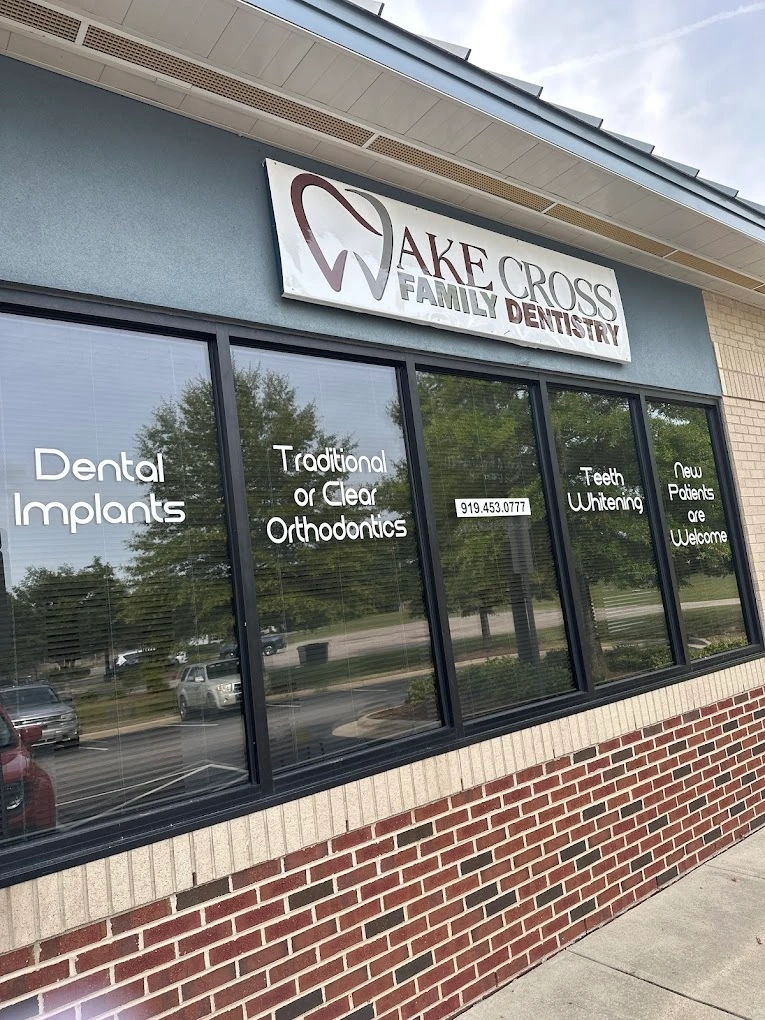

Maintaining a vibrant and healthy smile involves much more than just keeping your teeth free of cavities. The foundation of a truly healthy mouth lies within the gums and the underlying bone structure that support your teeth. When this foundational support is compromised by bacterial infection and inflammation, standard brushing and routine dental cleanings are no longer sufficient to stop the progression of the disease. This is the precise moment when many patients begin actively searching for specialized care and looking for a highly qualified periodontist Raleigh NC to help them restore their oral health. A periodontist is a dental specialist who focuses exclusively on the prevention, diagnosis, and treatment of periodontal disease, as well as the placement of dental implants. Understanding when to transition from a general preventative approach to specialized periodontal care is crucial for saving your natural teeth and protecting your overall systemic health. At clinics like Wake Cross Family Dentistry, the focus is always on comprehensive patient education, ensuring that you fully understand your current gum health status and the precise clinical reasons why advanced periodontal interventions might be necessary for your unique situation.
Understanding the Role of a Periodontist Raleigh NC
To grasp why you might need specialized care, it is helpful to understand exactly how a periodontist differs from a general dentist. While a general dentist is exceptionally skilled at preventative care, restorative work like fillings and crowns, and overall oral health monitoring, a periodontist has completed several additional years of rigorous, specialized training focused entirely on the soft tissues and the bone supporting the teeth. This extensive education equips them with the profound clinical knowledge and advanced surgical skills required to treat complex, severe cases of gum disease that have progressed beyond the scope of general dentistry. When you are searching for a periodontist Raleigh NC, you are looking for an expert who can accurately navigate the intricate anatomy of the periodontium, interpret subtle changes in your bone density through advanced radiographic imaging, and design a highly customized treatment plan to halt chronic bacterial infections. They are the architects of your oral foundation, capable of performing complex procedures such as gum grafting to repair receded tissue, bone grafting to regenerate lost jawbone, and precise pocket reduction surgeries to eliminate the deep, bacteria-harboring spaces that form around infected teeth.
The journey to specialized periodontal care typically begins when your general dental team notices alarming changes during a routine examination. They will meticulously measure the depth of the spaces between your gums and your teeth using a specialized instrument known as a periodontal probe. In a healthy mouth, these spaces, called sulcuses, measure between one and three millimeters in depth. However, when harmful plaque and hardened tartar accumulate below the gumline, they trigger a severe inflammatory response. The gum tissue begins to pull away from the teeth, creating much deeper spaces known as periodontal pockets. If these pockets consistently measure five millimeters or deeper, and are accompanied by active bleeding and visible radiographic bone loss, it is a definitive clinical sign that you are dealing with advanced periodontitis. At this stage, the infection is actively dissolving the alveolar bone that holds your teeth securely in your jaw. Because the consequences of untreated periodontitis include irreversible bone destruction and eventual tooth loss, stepping up your care to address these specific, severe symptoms is the most responsible decision you can make for your smile.
Recognizing the Symptoms of Advanced Gum Disease
One of the most challenging aspects of periodontal disease is its silent, insidious progression. Much like high blood pressure, gum disease often advances for years without causing any significant pain or immediate alarm. By the time a patient actually feels discomfort or notices that a tooth is becoming loose, the disease has already caused extensive, irreversible damage to the supporting bone structure. This is why paying close attention to the early, subtle warning signs is absolutely vital. The most common and easily identifiable symptom of early-stage gum disease, known as gingivitis, is bleeding gums. If your gums bleed when you brush or floss, it is not normal and should never be ignored. Healthy gingival tissue is firm, pale pink, and highly resilient; it does not bleed under the gentle friction of daily oral hygiene. Along with bleeding, you might notice that your gums appear unusually red, swollen, or tender to the touch.
As the disease progresses into full-blown periodontitis, the symptoms become much more pronounced and systemic. You may begin to experience chronic, persistent bad breath that does not improve with brushing or mouthwash. This halitosis is a direct result of the volatile sulfur compounds produced by the millions of anaerobic bacteria thriving deep within your periodontal pockets. Furthermore, as the gum tissue continues to recede and pull away from the teeth due to the ongoing infection, you might notice that your teeth appear visibly longer than they used to. This gum recession not only creates aesthetic concerns but also exposes the highly sensitive roots of your teeth to hot and cold temperatures, making eating and drinking uncomfortable. In the most advanced stages, the severe loss of supporting bone will cause the teeth to feel loose or shift position within your bite, and you may even notice pus forming between the gums and the teeth. If you are experiencing a combination of these distressing symptoms, seeking a professional evaluation immediately is critical to preventing complete tooth loss.
Specialized Treatments and Periodontal Maintenance Raleigh NC
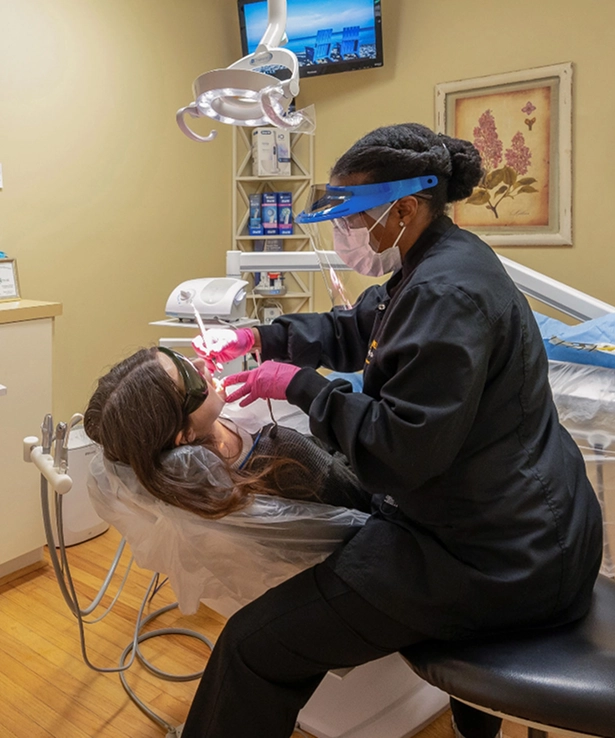
Once advanced gum disease has been definitively diagnosed, the immediate goal of treatment is to thoroughly eradicate the bacterial infection, reduce the devastating inflammation, and physically close the deep periodontal pockets so that the surrounding gum tissue can heal and reattach to the teeth. The foundational, first-line therapy for treating this condition is a meticulously detailed, non-surgical procedure. For many patients, undergoing a comprehensive deep dental cleaning Raleigh NC is the most effective way to halt the disease in its tracks before surgical intervention becomes absolutely necessary. This procedure is vastly different from the routine polish you receive at a six-month checkup, as it requires specialized instruments, often local anesthesia, and a significant amount of clinical time to carefully remove years of hardened, toxic buildup from beneath the gumline.
The Process of a Deep Dental Cleaning Raleigh NC
The clinical term for a deep dental cleaning is scaling and root planing, and it is a highly systematic, two-phase approach to disease management. The first phase, scaling, involves the complete removal of all plaque, bacterial toxins, and hardened calculus from both the visible crown of the tooth and deep within the periodontal pockets down to the base of the root. Dental professionals typically utilize an advanced ultrasonic scaler, which generates high-frequency vibrations combined with a continuous stream of cooling water. This technology effectively shatters the tenacious tartar deposits while simultaneously flushing the bacteria out of the deep pockets. After the bulk of the calculus is removed with the ultrasonic device, hand instruments called curettes are used to meticulously scrape away any remaining microscopic pieces of buildup.
The second phase is root planing. As the bacterial infection persists over time, it damages the surface of the tooth roots, leaving them rough, pitted, and deeply infused with bacterial endotoxins. These rough surfaces are highly problematic because they provide the perfect microscopic landscape for new plaque and bacteria to easily adhere to and multiply. During the root planing process, the clinician carefully smooths out these damaged root surfaces, removing the outermost layer of infected cementum. By creating a perfectly clean, glass-like finish on the roots, the procedure makes it incredibly difficult for bacteria to recolonize the area. More importantly, this smooth, clean surface provides the optimal biological environment for the inflamed gum tissue to heal and tightly reattach to the tooth, thereby effectively shrinking the periodontal pockets and stabilizing the tooth structure.
The Critical Role of Periodontal Maintenance Raleigh NC
It is a common misconception that a deep dental cleaning acts as a permanent, one-time cure for gum disease. The reality is that once you have been diagnosed with periodontitis, you are susceptible to the disease for the rest of your life. The bacterial flora in your mouth has permanently altered, and if left unchecked, the destructive bacteria will inevitably return. Therefore, the long-term success of your periodontal therapy depends almost entirely on your strict adherence to an ongoing, specialized care regimen known as periodontal maintenance Raleigh NC. This is not simply a recommendation; it is a medical necessity to keep your chronic infection in a state of remission.
When you transition into a periodontal maintenance program at a dedicated practice like Wake Cross Family Dentistry, your cleaning schedule is fundamentally altered. Instead of the standard six-month recall for healthy patients, periodontal maintenance requires visits every three to four months. Extensive microbiological research has demonstrated that it takes approximately ninety to one hundred and twenty days for the specific, highly destructive strains of periodontal bacteria to completely recolonize a freshly cleaned pocket and reach a critical mass capable of causing new bone destruction. By intervening precisely at this three-to-four-month mark, your dental team disrupts the bacterial colonies before they can initiate a new cycle of inflammation and tissue loss. During these maintenance visits, the clinician will carefully measure your pocket depths to monitor for any signs of relapse, thoroughly scale the teeth above and below the gumline to remove newly formed calculus, and provide targeted instruction to help you optimize your daily home care routine. Consistent, unwavering commitment to these maintenance appointments is the single most effective way to preserve your natural smile and protect the financial investment you made in your initial deep cleaning.
The Connection Between Gum Health and Total Body Wellness
Taking aggressive action to treat periodontal disease is not just about saving your teeth; it is a profound investment in your overall, systemic health. The mouth is not an isolated system separated from the rest of your body. The gum tissue is highly vascular, meaning it is rich in blood vessels. When you have active, bleeding periodontal pockets, you essentially have open wounds inside your mouth. This provides a direct, unhindered pathway for highly aggressive, toxic oral bacteria to enter your bloodstream and circulate throughout your entire body. The chronic, low-grade inflammation that characterizes gum disease places a constant, heavy burden on your immune system, keeping it in a perpetual state of hyper-alertness that eventually takes a toll on your major organs.
Decades of rigorous medical research have firmly established powerful links between untreated periodontal disease and a multitude of severe systemic conditions. Individuals suffering from advanced periodontitis have a significantly elevated risk of developing cardiovascular disease, including atherosclerosis, heart attacks, and strokes. The oral bacteria that enter the bloodstream can actually attach to the fatty plaques in the coronary arteries, contributing to clot formation and restricting vital blood flow to the heart. Furthermore, there is a complex, two-way relationship between gum disease and diabetes. Not only are diabetics more prone to developing severe gum infections due to compromised healing, but the presence of active, untreated gum disease makes it incredibly difficult for diabetic patients to stabilize and control their blood sugar levels. Medical studies have also linked the aspiration of periodontal bacteria into the lungs to a higher incidence of respiratory infections like pneumonia, and the systemic inflammatory burden has been associated with an increased risk of premature birth and low birth weight in pregnant women. By prioritizing your periodontal health, you are actively defending your heart, your metabolic stability, and your overall longevity.
Choosing the Right Team for Your Periodontal Health Journey
Navigating the complexities of advanced gum disease requires a partnership with a compassionate, highly skilled dental team that prioritizes both clinical excellence and patient comfort. You need a dedicated environment where your concerns are heard, your treatment options are explained clearly without intimidating medical jargon, and your long-term success is the ultimate goal. Overcoming dental anxiety is a significant hurdle for many patients requiring deep cleanings or advanced periodontal therapies, which is why choosing a local practice that emphasizes gentle techniques and offers various comfort options is paramount. When evaluating your options for comprehensive periodontal care, it is essential to look for a clinic that not only utilizes state-of-the-art diagnostic technology but also fosters a warm, welcoming atmosphere that makes you feel genuinely cared for from the moment you walk through the doors.
Whether you are seeking an initial diagnosis for bleeding gums, require a thorough deep dental cleaning to arrest early bone loss, or need to establish a rigorous, long-term schedule for periodontal maintenance Raleigh NC, proactive intervention is the key to a successful outcome. Delaying treatment only allows the bacterial infection to cause further irreversible destruction to your jawbone and increases your risk for systemic health complications. Your natural teeth are designed to last a lifetime, and with the correct specialized care and a dedicated maintenance strategy, you can successfully manage periodontal disease and preserve your beautiful, functional smile for decades to come. Take the time to listen to the warning signs your body is giving you, and prioritize your oral health by seeking a professional evaluation today.
Frequently Asked Questions
Do I need a referral to see a periodontist? While many patients are referred to a periodontist by their general dentist after a routine examination reveals advanced gum disease, a formal referral is not always strictly necessary. If you are experiencing severe symptoms such as excessively bleeding gums, receding tissue, chronic bad breath, or loose teeth, you can often reach out directly to a periodontal specialist or a comprehensively equipped family dentistry practice to schedule a thorough periodontal evaluation.
Is a deep dental cleaning painful? A deep dental cleaning, or scaling and root planing, should not be painful because the procedure is performed using local anesthesia. Your clinician will thoroughly numb the affected areas of your mouth before any work begins below the gumline. You will likely feel pressure and vibration during the cleaning, and it is normal to experience some mild soreness and temperature sensitivity for a few days afterward as the gums heal, which can be easily managed with over-the-counter pain relievers.
Can periodontal disease be completely cured? Periodontal disease, much like diabetes or hypertension, cannot be permanently cured, but it can be highly successfully managed and kept in remission. Once the initial active infection is treated and the deep pockets are reduced through scaling and root planing or surgical intervention, the disease is halted. However, to maintain this healthy state and prevent the aggressive bacteria from returning and causing further bone loss, you must adhere strictly to a lifelong routine of excellent home hygiene and professional periodontal maintenance appointments.
Why do I need cleanings every three months now? Once you have a history of periodontitis, your oral bacterial flora is altered and you are highly susceptible to relapse. Clinical research shows that it takes roughly three to four months for the specific destructive bacteria to recolonize the periodontal pockets and begin attacking the bone again. Scheduling periodontal maintenance every three months disrupts this bacterial growth cycle before it can cause new, irreversible damage, keeping your gums stable and healthy.
Does dental insurance cover periodontal treatments? Because periodontal treatments, including deep cleanings and ongoing maintenance, are medically necessary procedures required to treat an active, destructive infection, the vast majority of dental insurance plans provide significant coverage for these services. Most plans will cover a substantial percentage of scaling and root planing, though you may still have a copay or deductible. Our front office team is always available to help you navigate your specific insurance benefits and maximize your coverage.
Will my gums grow back after periodontal treatment? Unfortunately, gum tissue and bone that have been destroyed and lost due to advanced periodontal disease will not naturally grow back on their own after a deep cleaning. However, the goal of the treatment is to remove the infection so that the remaining swollen, inflamed gum tissue can heal, tighten, and firmly reattach to the tooth root. This healing process stops the active disease, prevents any further recession or bone loss, and provides a stable, healthy foundation for your teeth.
Take the Next Step Toward a Healthier Smile
If you are experiencing any signs of gum disease, or if it has been a long time since your last thorough dental evaluation, do not wait until the symptoms become painful or irreversible. Taking proactive steps today is the best way to ensure your smile remains bright, healthy, and fully functional for a lifetime. The experienced and highly compassionate team at Wake Cross Family Dentistry is dedicated to providing you with the exceptional, personalized care you need to achieve and maintain optimal oral wellness.
We invite you to reach out and schedule a comprehensive consultation with us. Wake Cross Family Dentistry 4008 Mitchell Mill Rd SUITE 108 Raleigh, NC 27616 Phone: (919) 453-0777